|
|
|
|
 |
|
| |
|
|
|
|
|
|
|
|
|
|
 |
| |
|
|
|
| |
Dear reader, Four out of the seven people who make this newsletter identify as women. So we have a female majority - unlike the rest of the world. In Europe, it is a bit different - in most EU countries, women are statistically a majority. But these raw numbers do not offer any insight into the real dynamics of change that affect women in modern times. The paradigm of how we view femininity is constantly changing.
Until women's political emancipation in recent decades, femininity was determined by the patriarchy. Being a woman was defined through the prism of submission to a man, which amounts to a limitation of autonomy in all areas of life. And while the patriarchal paradigm has weakened significantly as women become independent and gain their rights, its echoes still have an impact on how we view women and their place in the world. Media research shows that women appear much less often than men in news reports, and they are most often shown in traditional roles: as representatives of feminised professions, as experts in child care, as anonymous heroines from the scene of disasters or military conflicts, or as "crying, despairing mothers and wives".
At the same time, the very definition of femininity is expanding, becoming gradually released from limitations that have been imposed over the years. It is thanks to this process that people who so far have been deprived of the right to be women for various reasons join the discussion about it.
This is why today even the word "woman" can provoke an interesting discussion, like the one we had when preparing this issue, and which we hope to continue with you through the images and texts we selected this month.
|
| |
|
Petrică, Laura (Kajet, RO), Karolina, Magdalena (Pismo, PL), Pia and Stefan (n-ost, DE), Ramin — this issue’s editorial team
In Gmail the mail is often trimmed: Please click the link at the end of the mail to see the whole newsletter or click here to read it in your browser.
|
| |
|
|
|
|
| |
|
|
|
| |
| |
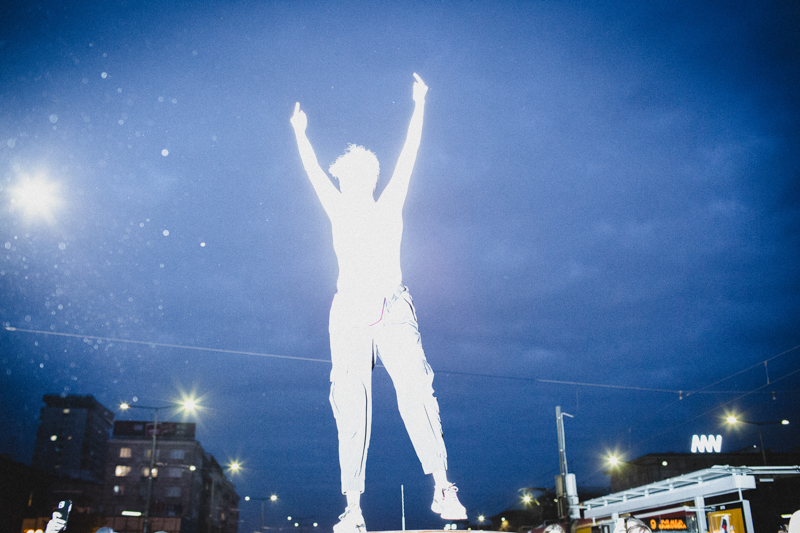
Top title image: Karolina Micuła, a Women’s Strike activist, is standing on the roof of a car during the blockade of Warsaw on October 26, 2020. Shirtless, with her arms raised and fists clenched, Micuła has become a symbol of Poland's unprecedented women’s revolt, the largest protests in the country since the fall of communism. Agata Kubis from Warsaw for APP, the “Archive of Protest” (10.2020).
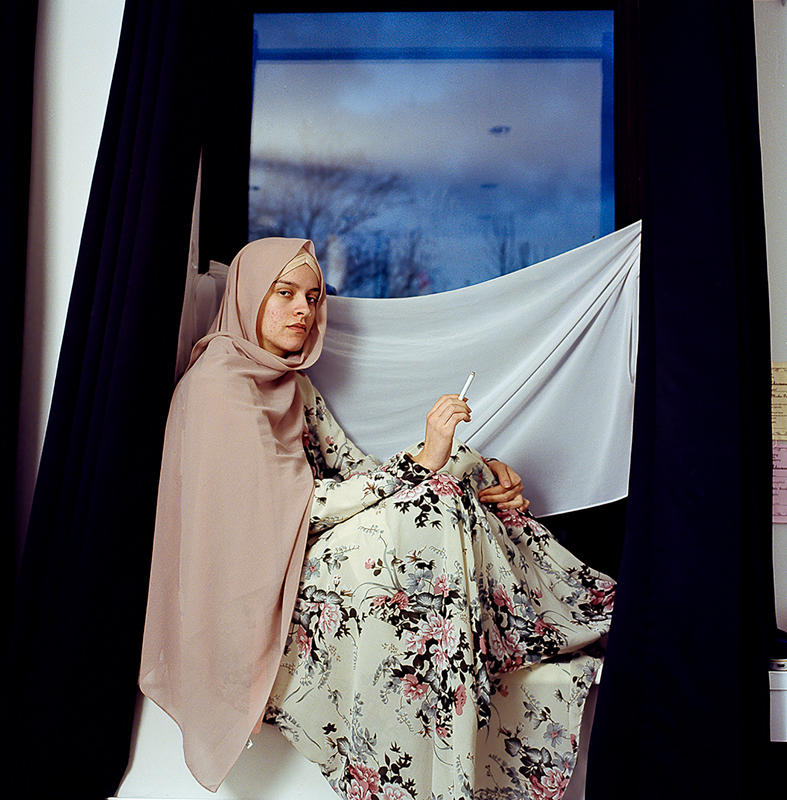
Bottom title image: The artist, who converted to Islam, stages herself and her younger sister to question the stereotypes often attached to being Muslim and living in Western society. Jodie Bateman from London for her work “My Hijab Has a Voice: Revisited” (2021)
|
|
|
|
|
|
| |
|
|
|
|
|
| |
Seeing
WOMEN
Single images by photographers
from all over Europe
|
|
| |
 |
|
|
|
| |
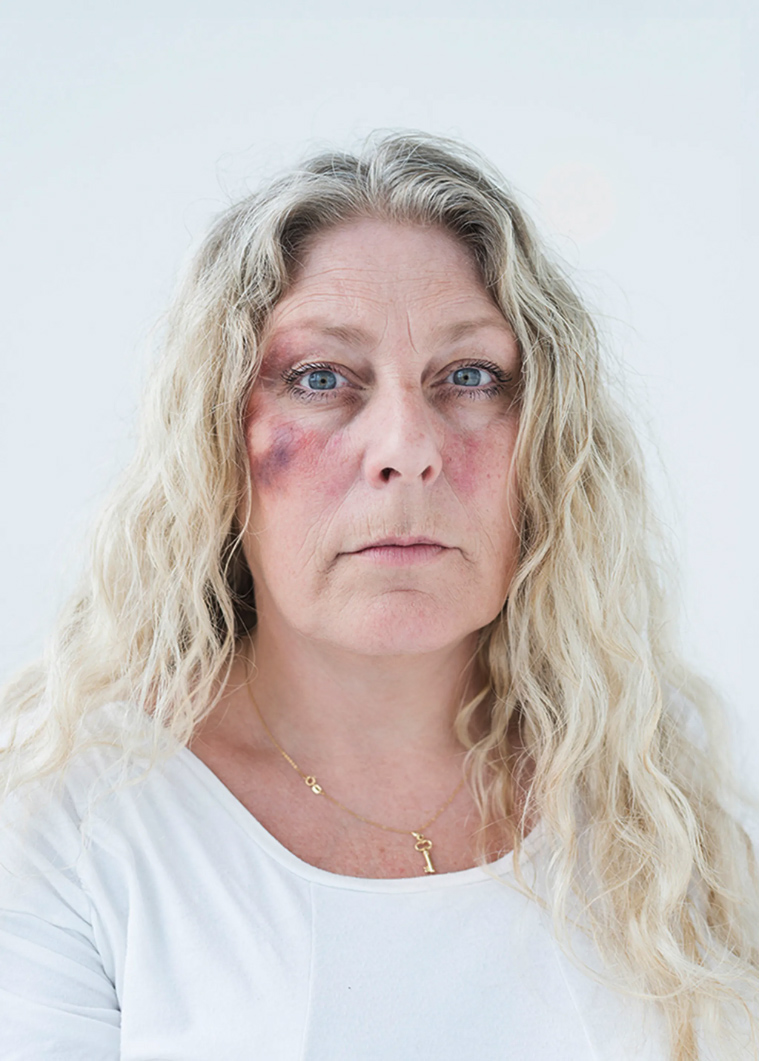
This portrait is part of a work on domestic violence. For safety reasons, volunteers in a women's shelter were photographed with recreated wounds from real cases. Fanny Beckman from London for her series “I just slipped” (2016).
|
|
|
|
|
|
| |
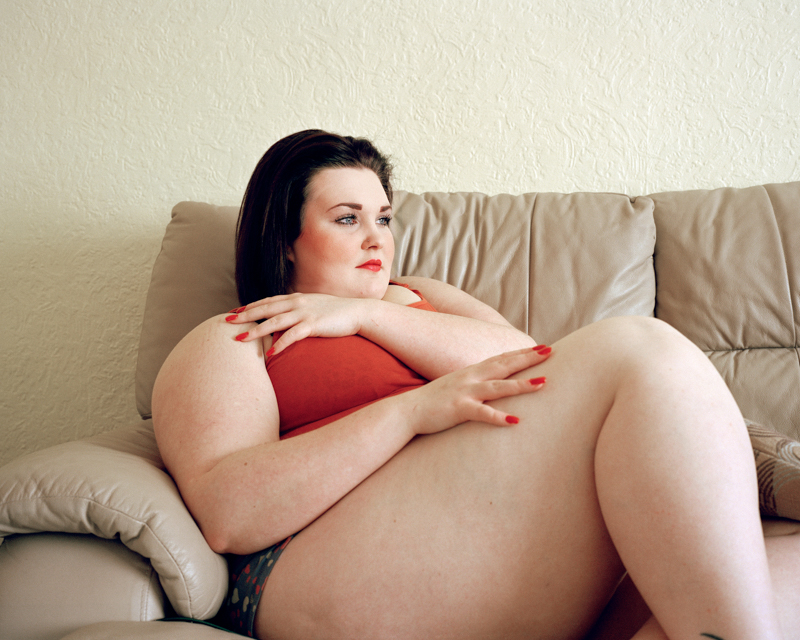
Shannon is the main subject in this intimate study of children behind obesity statistics in contemporary British society. Abbie Trayler-Smith from London for her series “The big O” (2014).
|
|
|
|
|
|
|
| |
|
|
|
|
|
| |
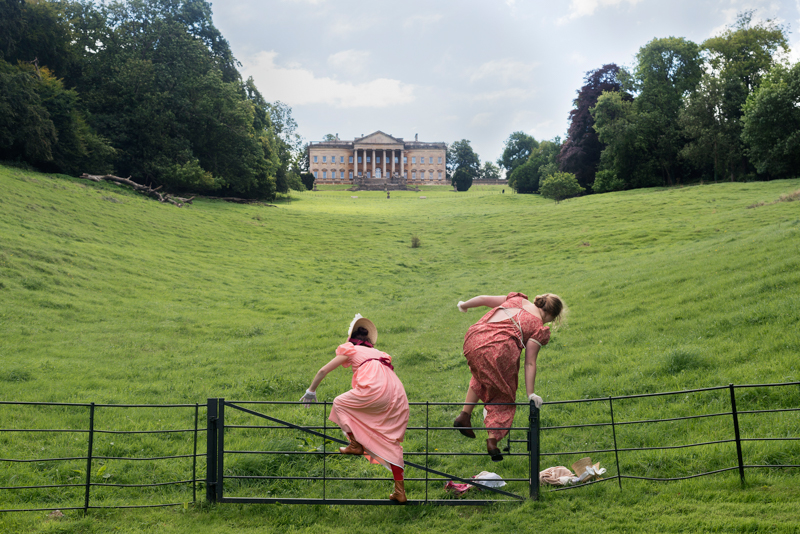
Women who share a strong passion for the 19th century author Jane Austen. They are part of the “Jane Austen Pineapple Appreciation Society” whose members have created a community of people with whom to celebrate the work of the writer. Alejandro Carles-Tolra from London for her series “Where we belong” (2017) and her book, for which she recently launched a crowdfunding campaign.
|
|
|
|
|
|
|
| |
|
|
|
|
|
| |
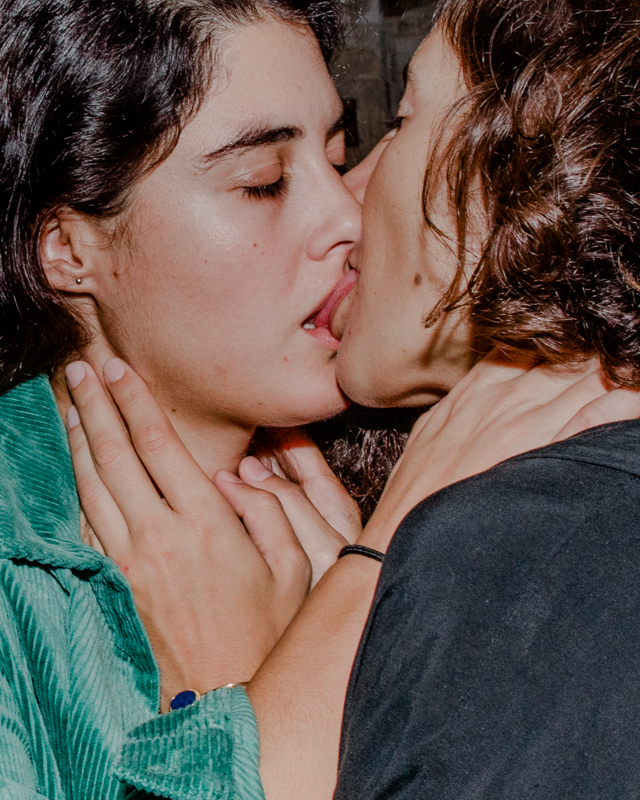
This image of two young women kissing attracted a lot of attention, not only in Lebanon, where the LGBTIQ+community faces many difficulties, but also in different parts of Europe. Myriam Boulos (Magnum) for her series “Tenderness” (2019).
|
|
|
|
|
| |
|
|
|
|
|
| |
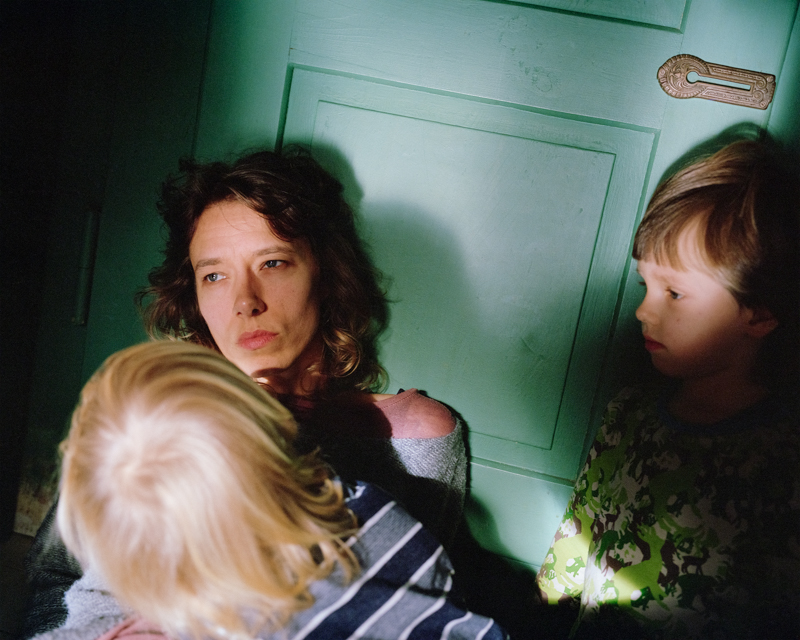
Self-portrait by the photographer with her two children. She says: “I am not sure where my femininity ends and my motherhood begins. There is a thin line in motherhood between complete fulfilment and sacrifice, between boundless love and pain.” Karolina Ćwik from Warsaw for her series “Don´t look at me” (2021).
|
|
|
|
|
| |
|
|
|
|
|
| |
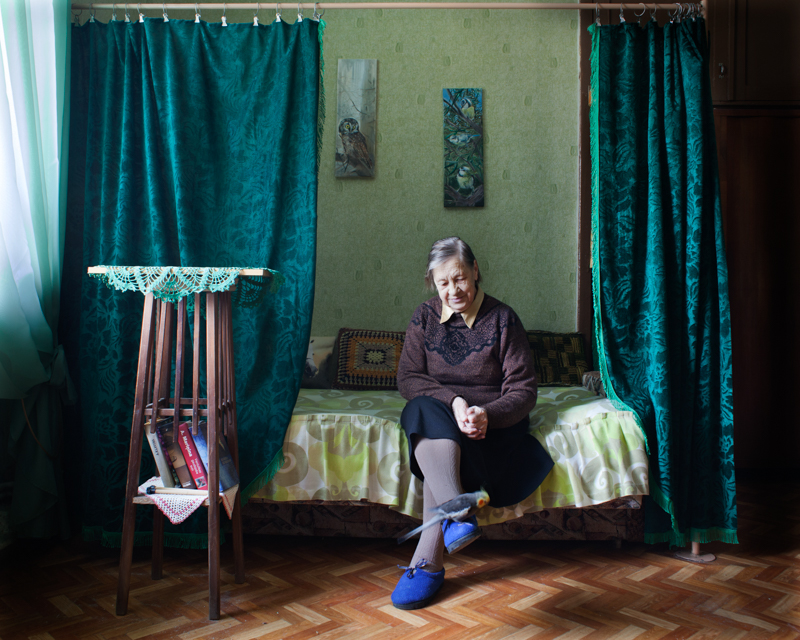
Zenta was 91 years old and living alone when this photo was taken. She said to the photographer: "There are moments of happiness and moments of sadness. But more of happiness. I’m satisfied. Life is life." Aija Bley discovered the world of very strong and kind women with her series “Later” (2012).
|
|
|
|
|
| |
|
|
|
|
|
| |
Barbare is transsexual and wants to live as a women, which is very difficult in Georgia. She has to somehow remain invisible to avoid being beaten and abused, as Georgian society is very conservative. Dina Oganova for her series “Ladyboy” (2013-ongoing).
|
|
|
|
|
|
| |
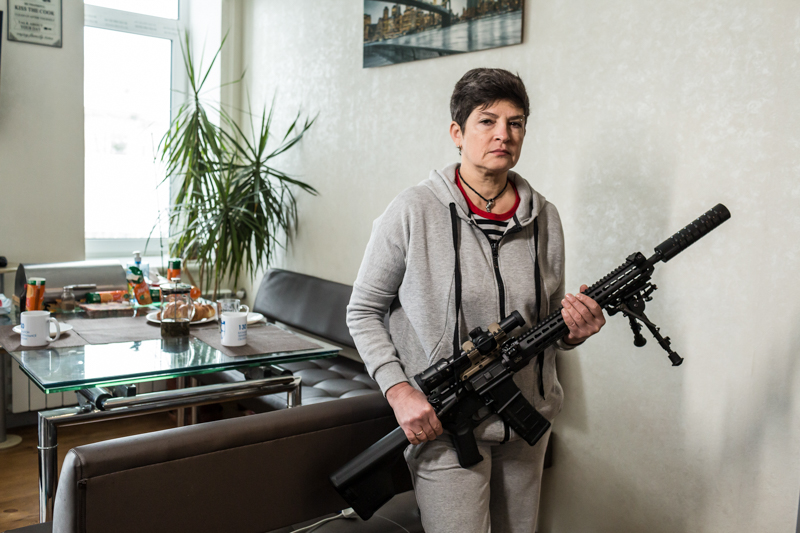
Maryana Zhahlo, a 52-year-old marketing analyst, with her Z-15 rifle at her home in Kyiv on January 23, 2022, after she joined the 130th territorial defense battalion. These units are part of the Ukrainian Armed Forces and consist of people who mostly also have regular jobs. When Russia launched a full-scale invasion on Ukraine on February 24, Maryana went to the frontlines to fight. Oksana Parafeniuk for her series “Russian Invasion in Ukraine” (01, 2022).
|
|
|
|
|
| |
|
|
|
| |
Exploring
WOMEN
A closer look at a
photographer’s series
|
| |
|
|
|
|
|
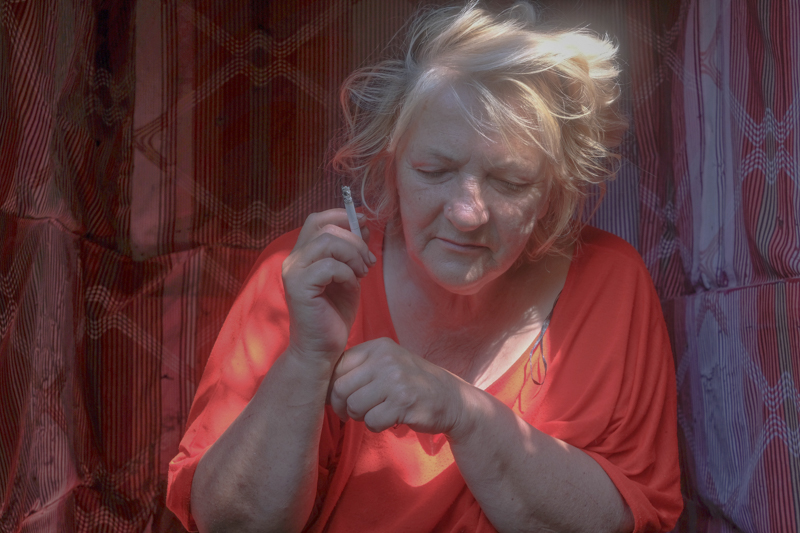
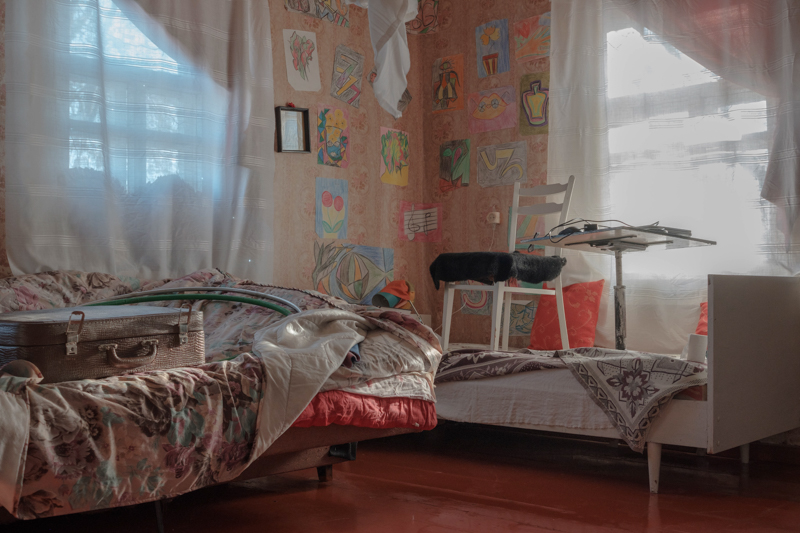
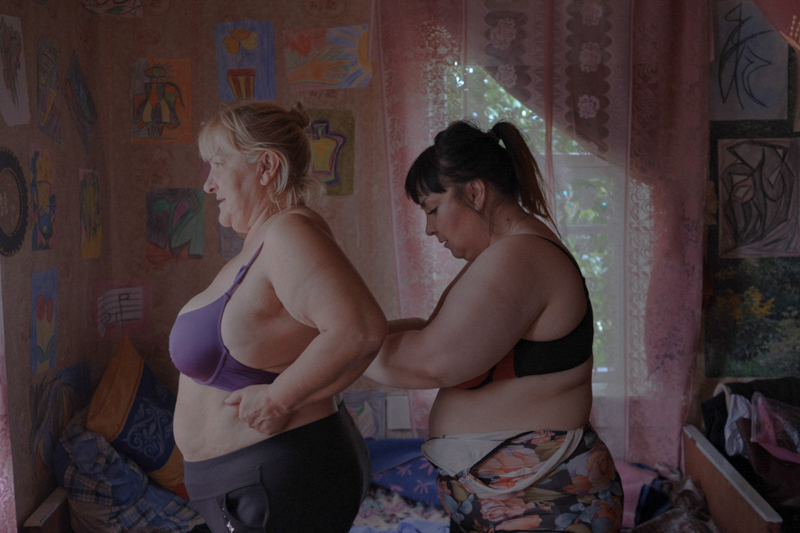
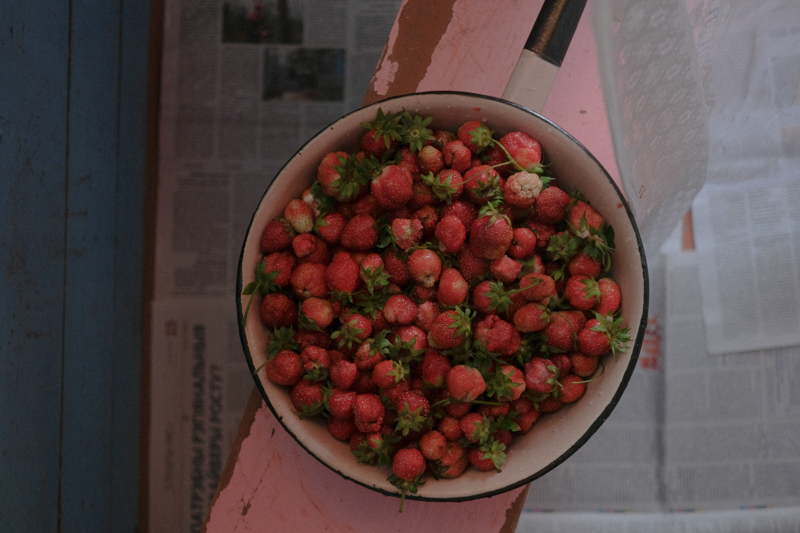
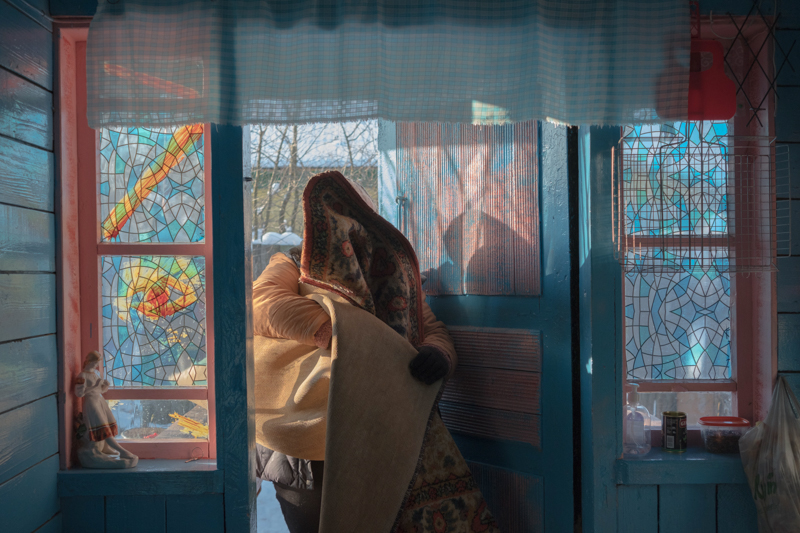
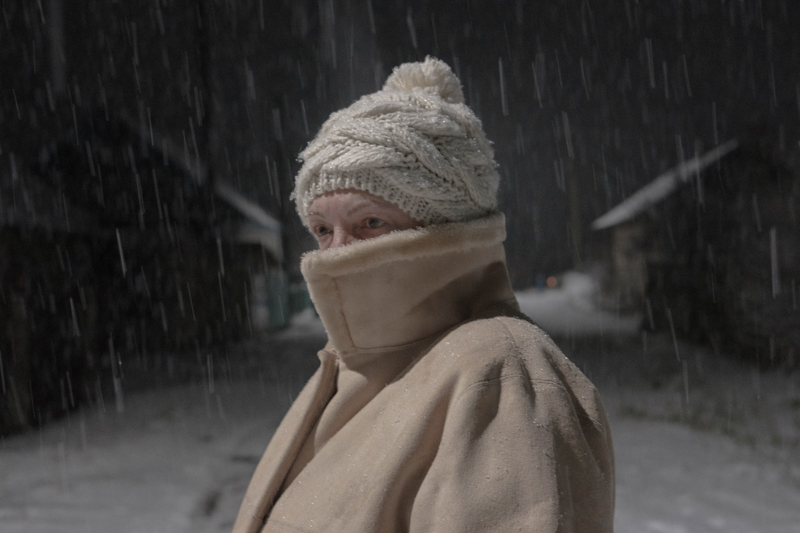
In the photo series "The Apple Pie", the photographer Tatsiana Tkachova immerses herself in the microcosm of her own family in Belarus. In this very personal work, she documents her mother's life and explores the connections among women in her family. The topics that fascinate her are the relationship between generations, what it means to be a mother, and why childhood memories influence us our whole life.
At the heart of the series is the house where generations of her family have grown up. Now her mother lives there, regularly visited by her sister. The images of her daily routine are deliberately made extremely monotonous, without any movement, creating the impression that life has stopped. She took the first image in 2018 and is continuing to work on this story.
"In my story, I revert to the subject of roots and memory, which affects every one of us and remains in our minds forever. While documenting my mother's life, it seems as if I can recognize myself in it."
|
| |
|
 |
| |
|
|
|
|
|
|
|
|
|
 |
| |
|
|
|
 |
| |
|
|
|
|
|
|
|
|
|
 |
| |
|
|
|
|
|
|
|
|
|
 |
| |
|
|
|
|
|
|
|
|
|
 |
| |
|
| |
Tatsiana Tkachova is an independent journalist working with documentary photography, video, archive, and multimedia. Originally hailing from the region of Mogilev, Belarus, she is currently based in Hamburg. The most important part of her professional activities is devoted to personal, long-term projects that are focused on women's rights. She is a recipient of World Press Photo 2020, and others.
|
|
|
|
|
|
|
|
Reflecting
WOMEN
A critical observation on how women
are represented in movies
|
| |
|
|
|
| |
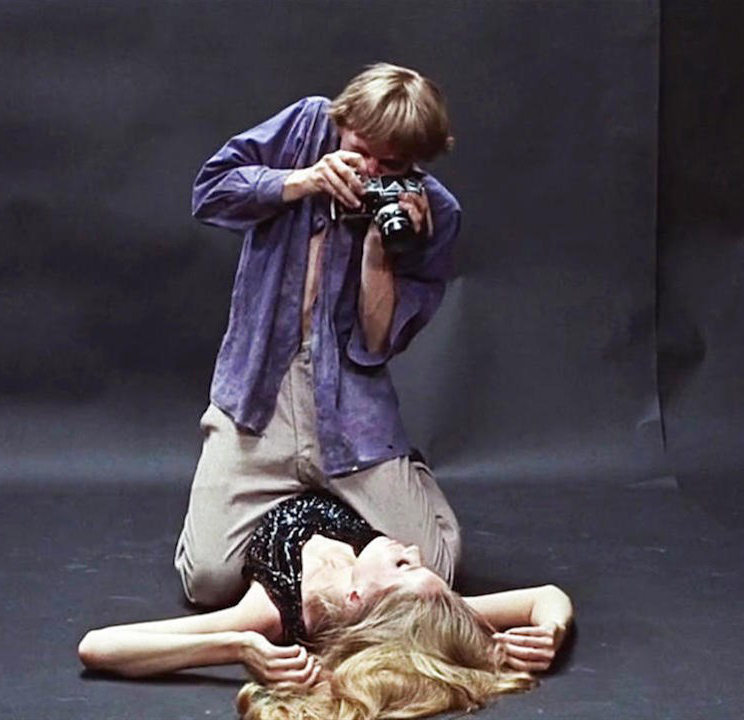
On this poster we can see a man and a woman. The woman is lying on the ground on her back, the man’s sitting on her, taking her photo. The image is taken from the famous fashion shoot scene at the beginning of the 1966 movie “Blow-Up”. The scene is staged as a sexual act, it bursts with erotic tension. The man is an active agent, giving the woman instructions, trying to elicit the desired physical and emotional response from her. In the process, the woman is becoming the passive object of the photographer’s gaze.
That gendered opposition between looking and being looked at is crucial for the plot of “Blow-Up”. It also reappears constantly throughout the history of cinema. The image we see on the poster does not propose any alternative scenario of gender representation, but it exposes – perhaps involuntarily - the violence intrinsic to that traditional model. Seen today, in the 2020s, the poster strikes us as out of date, patriarchal, even sexist. But at the same time, it makes one think: is it really an image from the past? Are we not, in spite of all our progress, recreating the same scenario over and over again?
|
|
| |
Jakub Majmurek is a film and art critic as well as political pundit based in Warsaw. He works for Krytyka Polityczna – a left of centre internet journal – and writes for several political and cultural magazines. He has co-authored many books about cinema, among them (together with Łukasz Ronduda) “Cine-art. or the Cinematographic Turn in Polish Contemporary Art”.
|
|
|
|
|
|
|
| |
|
| |
|
|
| |
 |
| |
|
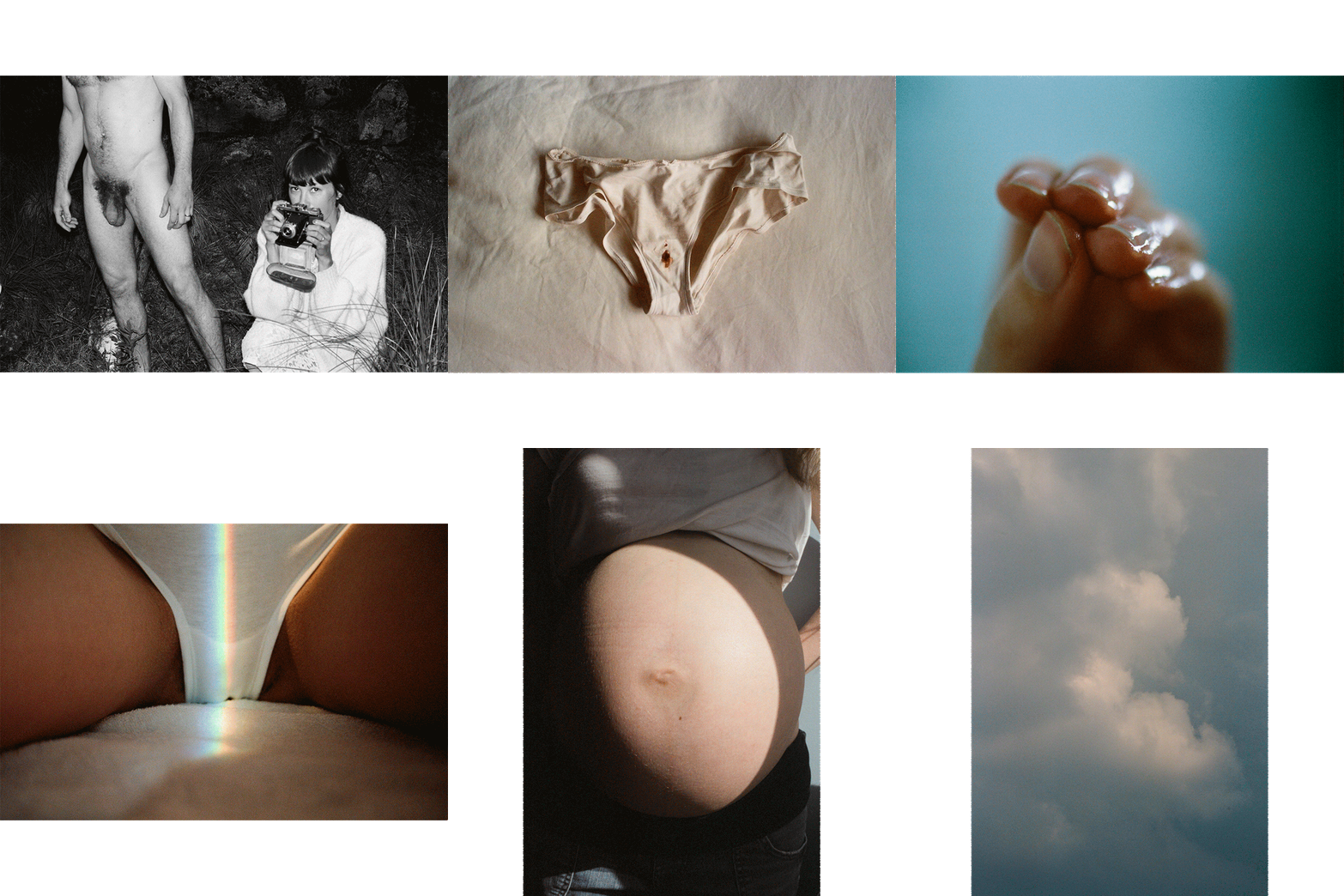
Lina Scheynius creates images we rarely encounter in the media world. Her diaries are an insightful study of her own feminine nature. For over 10 years, in delicate, subtle photographic notes, she has been carefully examining her body, her biology, her connection with nature and her relations with her male partner.
What is femininity? Lina spins a poetic story full of metaphors. In one of the photos, she is writing down the question: “Can I end this project?” It is, after all, a life project.
|
| |
|
Lina Scheynius is a photographer and writer based in London. Born in 1981 in Vänersborg, Sweden, she left home at 16 to study and soon began a career as a model. But after becoming disillusioned with the experience, she turned her camera on herself and those closest to her. Since then, her work has gained an international following and her self-produced books are highly sought-after collectibles that quickly sell out.
|
| |
|
|
|
|
| |
|
|
|
| |
Reading
WOMEN
A short essay on images of women at work
|
| |
|
|
|
|
|
| |
"As a woman I have no country. As a woman I want no country. As a woman, my country is the whole world." These are the words of Virginia Woolf from Three Guineas, published in June 1938, addressing the issues of war and feminism amidst the rise of fascism in Europe.
Seventy-six years later, in July 2013, at a flea market in Bucharest, I found a magazine, open, revealing a page with the following article: "I Am Not Entirely Happy Unless I Am Here, In My Country". The headline was from a 1988 issue of Femeia [The Woman] magazine, the main publication targeted at women in Romania during the socialist years.
This title came echoing back to me later, when I periodically attended the Central University Library "Carol I", and began collecting around 2,000-3,000 images from the magazine's archives. I captured them with my phone camera, creating a historical overview from 1935 to 1989 of images of women at work in factories, smiling, focused on their tasks.
I remember supposing that in most of the images the women were instructed by the photographer not to look into the camera. Their gaze was always towards the object of work, the structures and tools whose weight stood for a guarantee of progress: Spools of thread, iron sheets, welding machines, milk bottles, shoes, cables, microscopes, hammers.
I remember searching exhaustively through similar publications dedicated to women in Spain, published between 1936 and 1977: Bazar, Consigna, Medina, Teresa, Vértice. This was during Franco's regime, under the direction of the Sección Femenina – an official institution set up by Spain's fascist Falange movement, which was concerned with the domestic role of women in the public sphere.
|
|
| |
“Bodies as territories and political weapons at the border between production and reproduction”
|
|
| |
I remember these images showed different facets of sporting behaviour: Disciplined bodies dressed in black and white, with their hands in the air, jumping in front of the Spanish hills and clear sky; collective bodies performing in public space as an ornament for the ideological machinery; the use of sporting victories by the state as a means of asserting superiority within the Sección Femenina.
I remember images of anonymous women portrayed by totalitarian regimes in the propaganda press: Bodies as territories and political weapons at the border between production and reproduction; the illusion of an imposed double status.
I remember overlapping this collection of images, both from Romania and Spain, in a book, “I Am Not Entirely Happy Unless I Am Here, In My Country”, whose pages open with the message: “I dedicate this book to my mother.”
I remember the look on my mother's face when she saw the publication. The way she looked into my eyes with the expression of someone who had experienced working most part of her life in a factory that produced metal parts for power plants.
I remember a moment of silence between us and the question: Why did you make the book?
Nicoleta Moise is an artist and journalist based in Bucharest. Her practice is focused on making visible less known stories, characters or events, which require time and longer, careful work. In 2018, she co-founded the Romanian queer feminist magazine CUTRA. She currently collaborates with Scena9, an online publication that charts the cultural scene in Romania (and elsewhere).
|
|
|
|
|
| |
|
| |
| |
|
|
|
|
| |
 |
| |
|
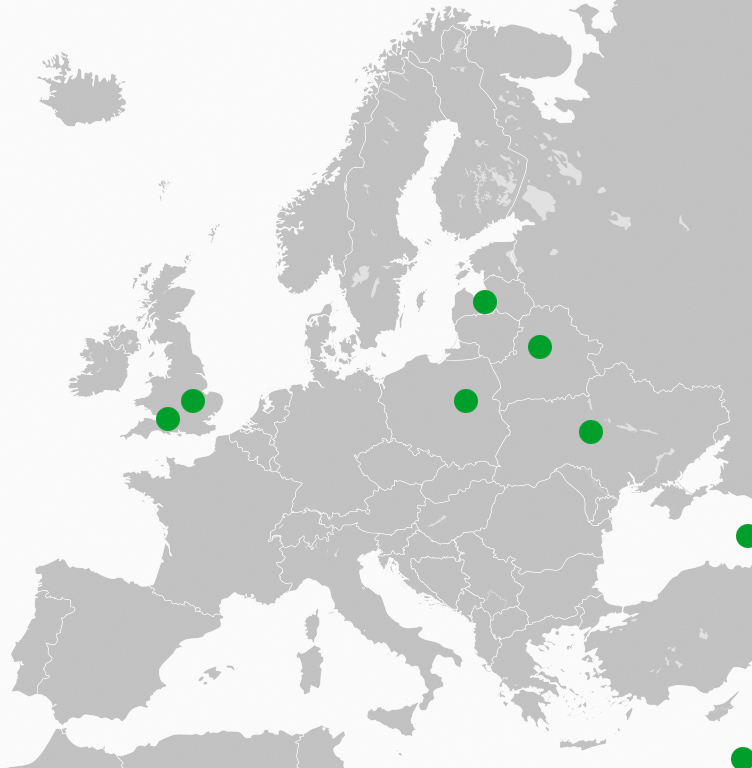
THE LOCATIONS OF THIS ISSUE
|
| |
|
|
|
|
|
| |
|
| |
| |
| |
Photographers: Agata Kubis, Jodie Bateman, Fanny Beckmann, Abbie Trayler-Smith, Alejandra Carles-Tolra, Myriam Boulos, Karolina Ćwik, Aija Bley, Dina Oganova, Oksana Parafeniuk, Tatsiana Tkachova, Lina Scheynius
Text authors: Nicoleta Moise, Jakub Majmurek
Editorial team: Laura Naum and Petrică Mogoș (Kajet Journal), Karolina Mazurkiewicz, Magdalena Kicińska (Pismo Magazin), Stefan Günther and Pia Telebuh (n-ost) and Ramin Mazur.
Design: Philipp Blombach
Copy Editing: Ben Knight
|
| |
|
|
|
|
|
|
|
| |
|
|
|
| |
| |
| |
|
|
| |
| |
|
 |
|
| |
|
|
|
|
| |
|
|
|
|
|
| |
If you like the publication, please follow us on the european images Instagram account!
This is the sixth edition of european images, a project by n-ost, in partnership with Kajet Journal (RO), AthensLive (GR) and Pismo (PL) supported by Allianz Kulturstiftung and the Foundation for Polish-German Cooperation.
Coordinated by n-ost, documentary photographers will meet weekly on Wednesday 6pm CEST throughout the entire period of the project.
If you are a European photographer and want to join the meeting or provide images for the publication please write a short introduction of your work to europeanimages@n-ost.org.
|
| |
|
|
|
|
|
| |
|
|
|
| |
| |
| |
 |
| |
|
|
|
|
|
|
|
| |
|
|
|
| |
| |
 |
| |
|
|
|
|
|
| |
|
|
|
| |
| |
|
|
| |
 |
| |
|
|
|
|
|
| |
|
|
|
| |
| |
| |
initiated and coordinated
by n-ost
|
| |
|
|
|
You've received this email because you are a member or a friend of n-ost, AthensLive, Kajet or Ramin or subscribed to european images
|
|
|
|
|
|
|
|
|
|
| |
|
|
|