|
|
|
|
 |
|
| |
|
|
|
|
|
|
|
|
|
|
 |
| |
|
| |
Dear viewer, Solidarity keeps humankind together. Not only is it at the core of the European project, solidarity is a practice that helps us overcome repressive political situations as well as a fuel for our hopes of a more habitable future. In fact, it may not be a stretch to argue that, in times of social and cultural collapse, society does not have a lot left without solidarity. This is why solidarity should not appear as a cry for help or as a reaction that emerges only in times of hardship and crisis. Instead, solidarity should be a permanent exercise that needs to be practised.
However, as we created this new edition we found out how ambiguous and elusive a concept is. In discussions between editorial offices and with photographers, it turned out that we often have completely different understandings of the word ‘solidarity’. Nobody says: “I am going to photograph solidarity”; it does not itself function as a subject, but rather emerges at the level of interpretation. Most of these differences are subtle, but it is precisely in these inconspicuous differences that the essence lies, as the very understanding of the concept of solidarity is deeply rooted in individual sensitivity and experience, including a historical one.
|
| |
|
Petrica, Laura (Kajet, RO), Karolina, Magdalena (Pismo, PL), Pia and Stefan (n-ost, DE) – this issue’s editorial team
In Gmail the mail is often trimmed: Please click the link at the end of the mail to see the whole newsletter or click here to read it in your browser.
|
| |
|
|
|
|
| |
|
|
|
| |
| |
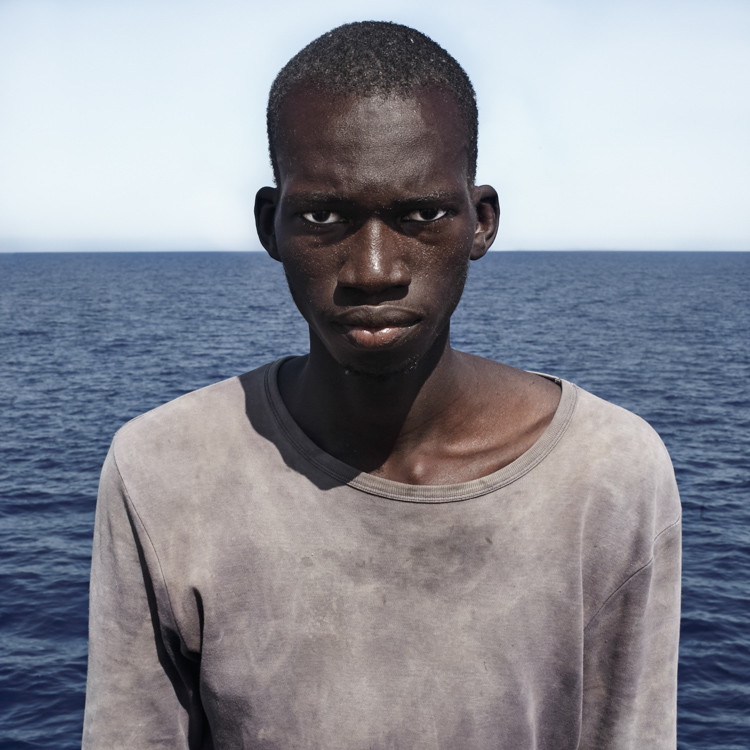
Top title image: 23-year-old Amadou Sumaila from Mali. Shortly before this photo was taken, he was rescued from a rubber boat drifting in the Mediterranean Sea 20 nautical miles off the Libyan coast by a rescue vessel provided by the NGO “Jugend Rettet”. César Dezfuli for his award-winning series “Passengers”, which comprised 118 portraits of people who were rescued. (August 1, 2016)
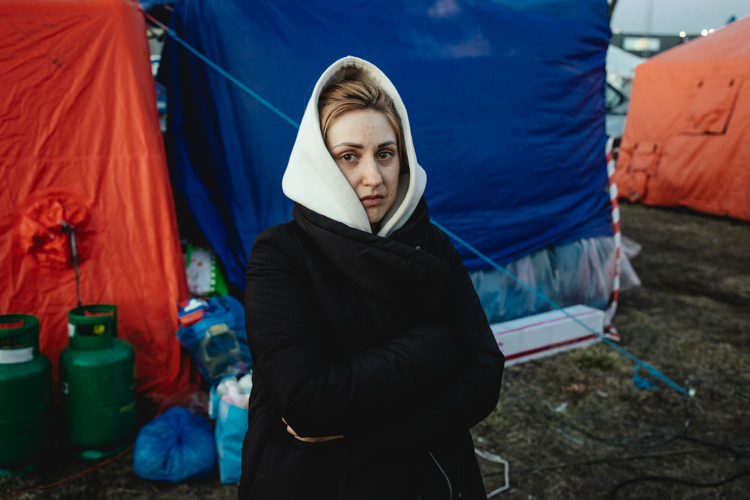
Bottom title image: Oksana came from Lviv to Przemyśl with her daughter and her mother. There was a huge wave of solidarity in Poland and other countries to the refugees from Ukraine. Florian Bachmeier for his ongoing work on Ukraine. (February 28, 2022)
|
|
|
|
|
|
| |
|
|
|
|
|
| |
Seeing
SOLIDARITY
Single Images by Photographers
From all over Europe
|
|
| |
 |
|
|
|
| |
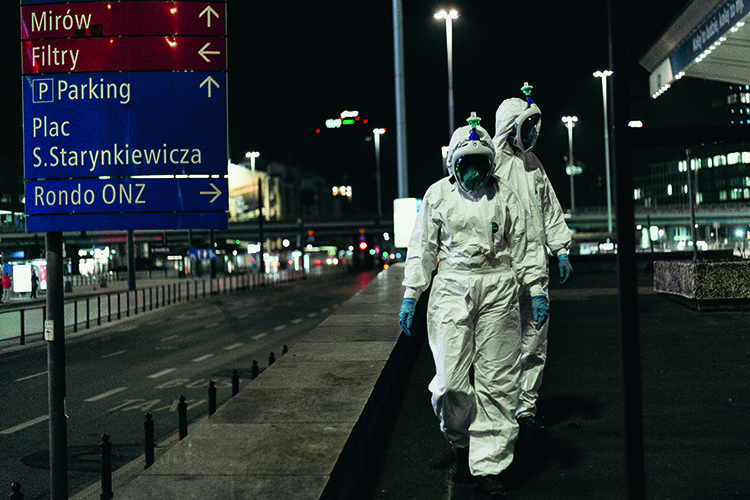
Medics from the Polish initiative “Medycy na Ulicy” in Warsaw looking for homeless people who need help during the pandemic. Medics have been caring for “people in a crisis of homelessness”, as they call them, in their free time for about 10 years. Marta Rybicka for Pismo Magazine’s “Dobro Wspólne” series featuring social activists. (May 2020)
|
|
|
|
|
|
| |
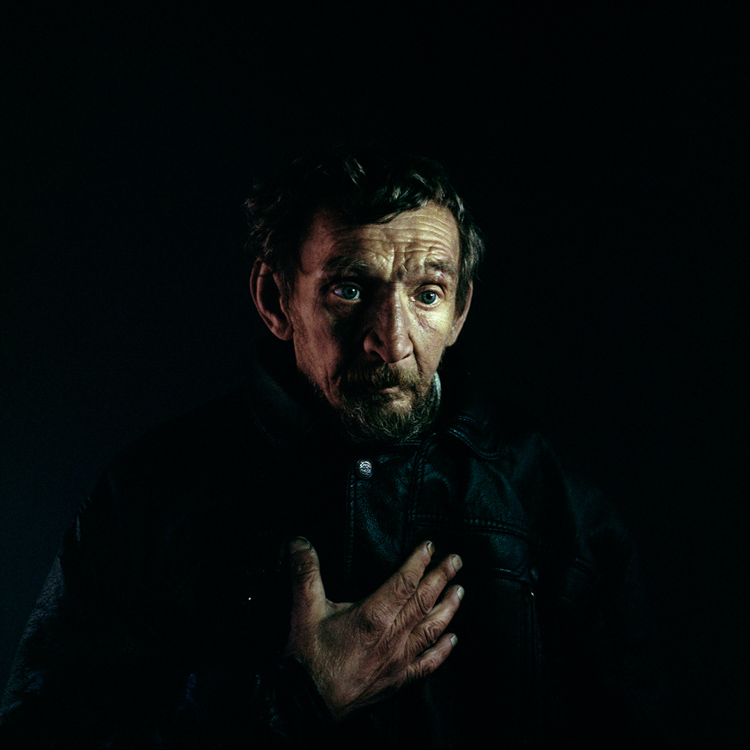
Valera Dermansky, a trained economist, became homeless in Kyiv after the divorce from his wife. When this portrait of him was made, only private initiatives helped homeless people, while the government didn’t address the problem. Alexander Chekmenev for his series “Deleted”, for which he photographed over 40 homeless people. (2018).
|
|
|
|
|
|
|
| |
|
|
|
|
|
| |
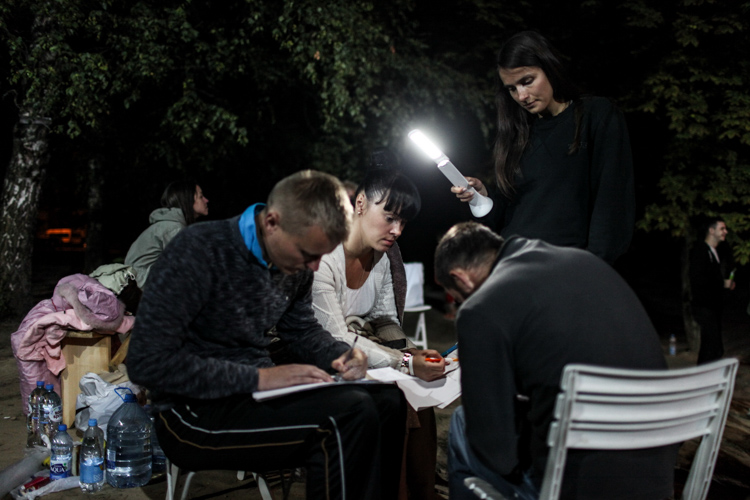
A self-organized volunteer camp arose in August 11-20, 2020, near Okrestina prison in Minsk. Its aim was to provide psychiatric, legal, medical, and logistic help for released prisoners and their relatives. Maxim Sarychau for his series “Belarus Uprising” on the nationwide protests. (August 2020)
|
|
|
|
|
|
|
| |
|
|
|
|
|
| |
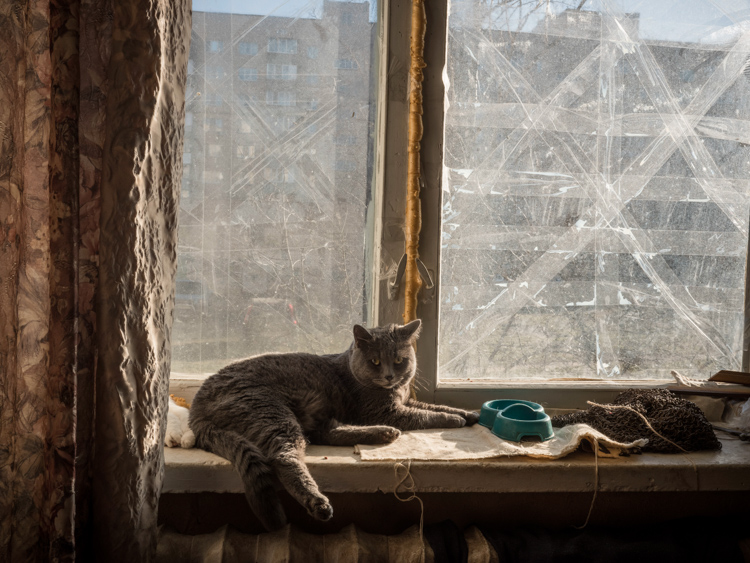
A cat who was rescued from an empty flat by volunteers near Kyiv. A unit of volunteers named “Zoopatrul” searches for abandoned pets in apartments, feeds them there or places them with other households. While the war was going on people often couldn’t take their animals with them. Mila Teshaieva for her reports from Kyiv and other places during the Russian invasion. (March / April 2022)
|
|
|
|
|
| |
|
|
|
|
|
| |
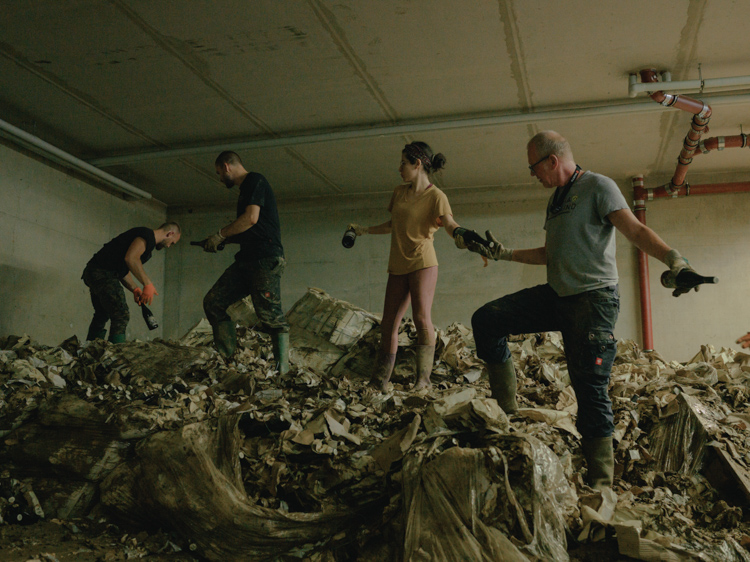
Following the major flood in western Germany in the summer of 2021, volunteers work during the so-called ‘bottle rescue’ in the warehouse of a wine growers’ cooperative in the village Mayschoss. The bottles salvaged from the rubble are cleaned and sold as ‘flood wine’. Docks , a collective of five photographers for their often published documentation on the big flood, where 180 people died. (August 7, 2021)
|
|
|
|
|
| |
|
|
|
|
|
| |
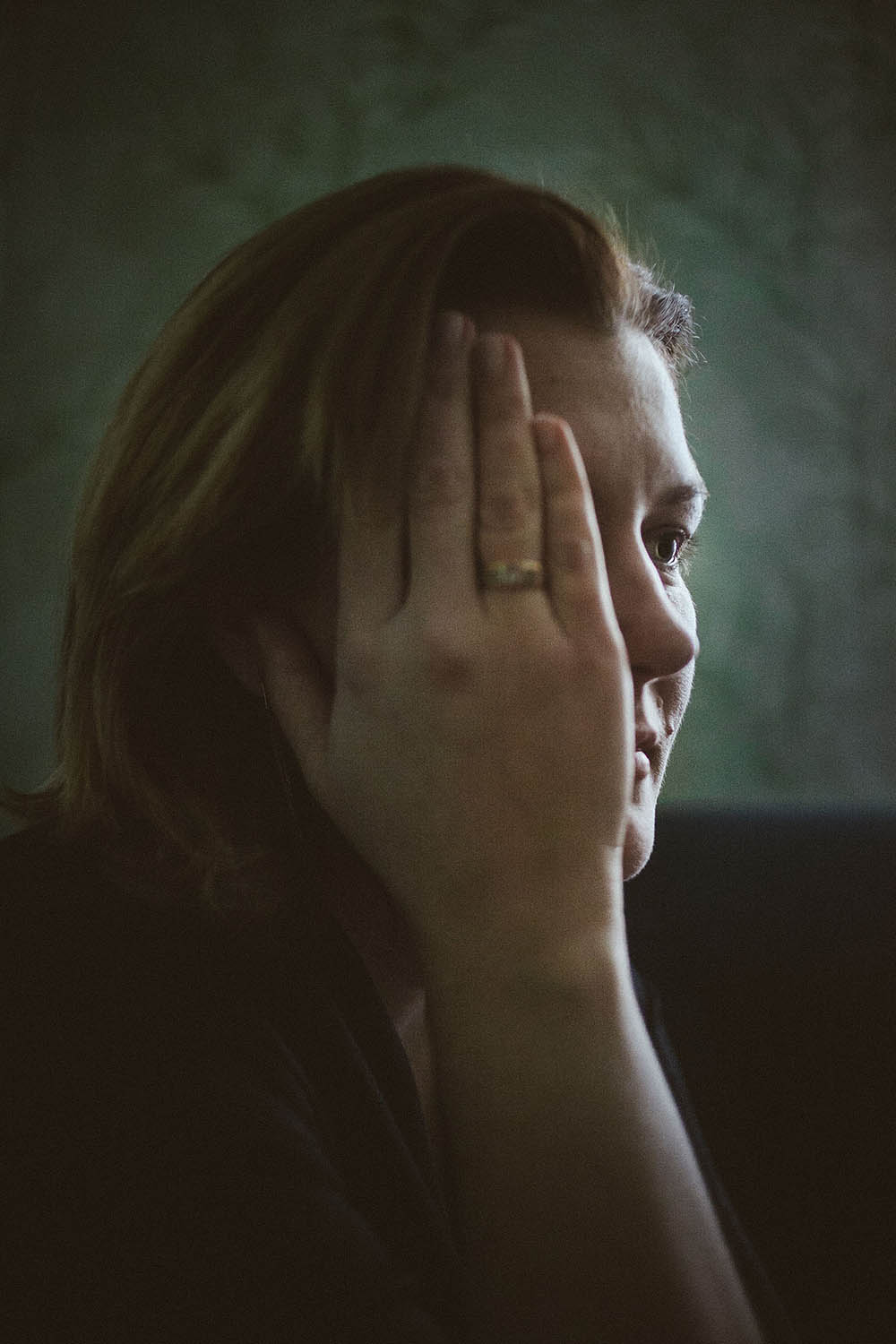
Elena V. survived an assault from her husband but was left in a terrible state. Before she turned to the public association “Radislava”, which helps women who have suffered domestic violence, she said she was indifferent to everything, even to her child. Alexander Vasukovich for his series “One Out of Every Three Women” on domestic violence in Belarus. (2015-2016)
|
|
|
|
|
| |
|
|
|
| |
Exploring
SOLIDARITY
A Closer Look at a
Photographer’s Series
|
| |
|
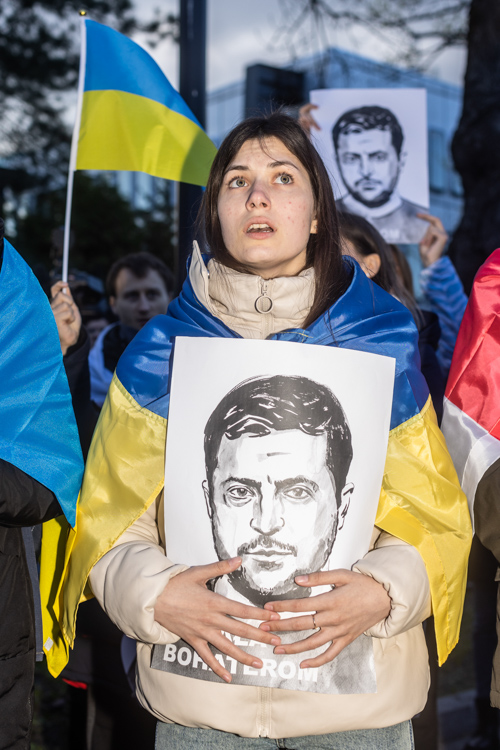
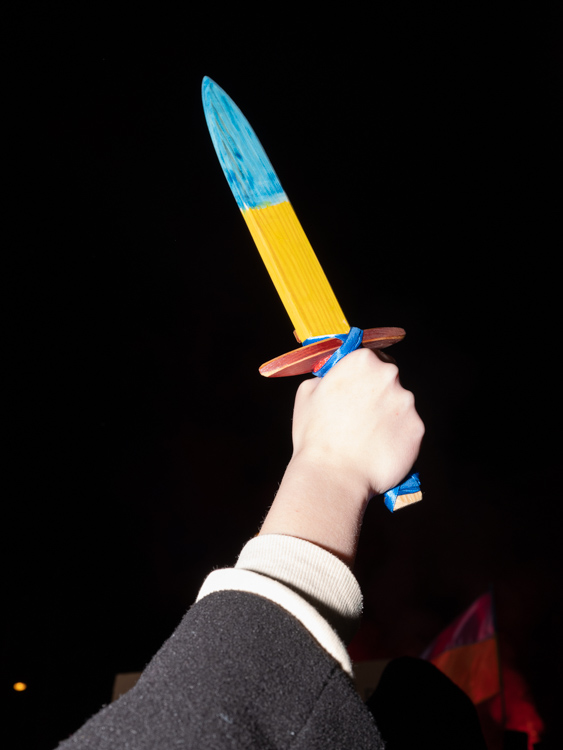
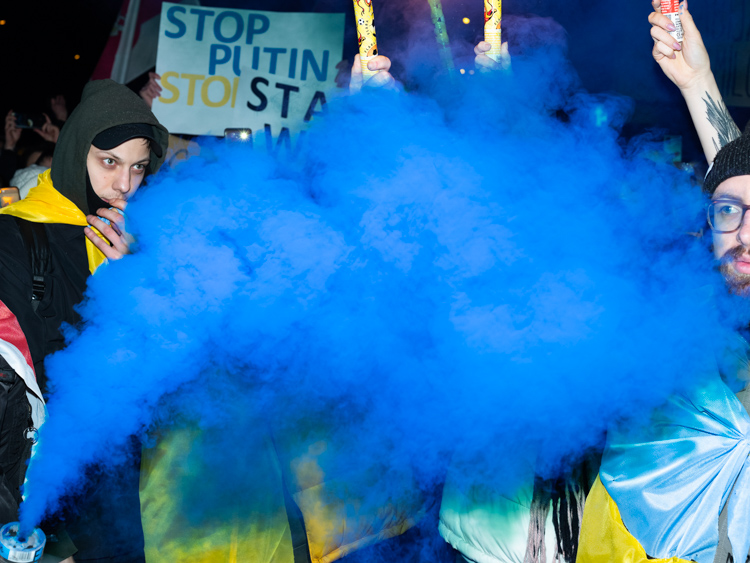
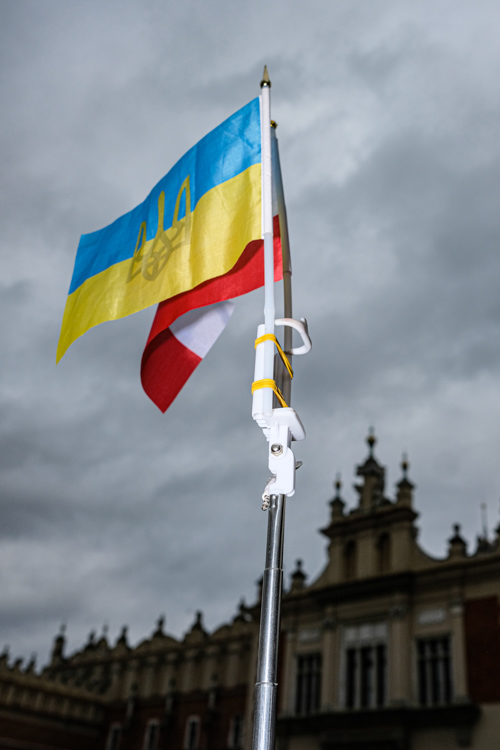
APP, the Archive of Protest in Poland, has existed since 2015. It is both a bulwark against the decreasing relevance of daily images of demonstrations and protests, and a sign of photographers’ solidarity with the protest movements in Poland. In addition, it is a beacon of solidarity among photographers. There has always been a strong pro-Ukrainian attitude in Polish society, due to its special history with Russia and its geographical position. After the beginning of the Russian invasion of Ukraine, there were numerous expressions of solidarity of various kinds all over Poland.
|
| |
|
|
|
| |
Warsaw, April 10, 2022. A happening in front of the Russian embassy in Warsaw condemning crimes committed by the Russian army on the Ukrainian population. Wojtek Radwanski, APP
|
|
|
|
|
|
|
|
|
|
| |
Warsaw April 22, 2022. Stop Financing Wars — a march opposing the importation of oil, coal and gas from Russia by Western European countries. Wojtek Radwanski, APP
|
|
|
|
| |
Poznań February 26, 2022. Protest against Russian’s invasion of Ukraine. Michal Adamski, APP
|
|
|
|
|
|
|
|
|
|
| |
Poznań February 24, 2022. Protest against Russia’s invasion of Ukraine in front of Russian consulate in Poznań. Michał Adamski, APP
|
|
|
|
|
|
|
|
|
|
| |
Krakow, February 20, 2022. Show of support for the territorial integrity and sovereignty of Ukraine in the face of escalating hostilities and aggression by the Russian Federation. Dawid Zielinski, APP
|
|
|
|
|
|
|
|
Reflecting
SOLIDARITY
An Observation on
foreign reporting
|
| |
|
|
|
|
|
|
|
|
| |
|
|
|
| |
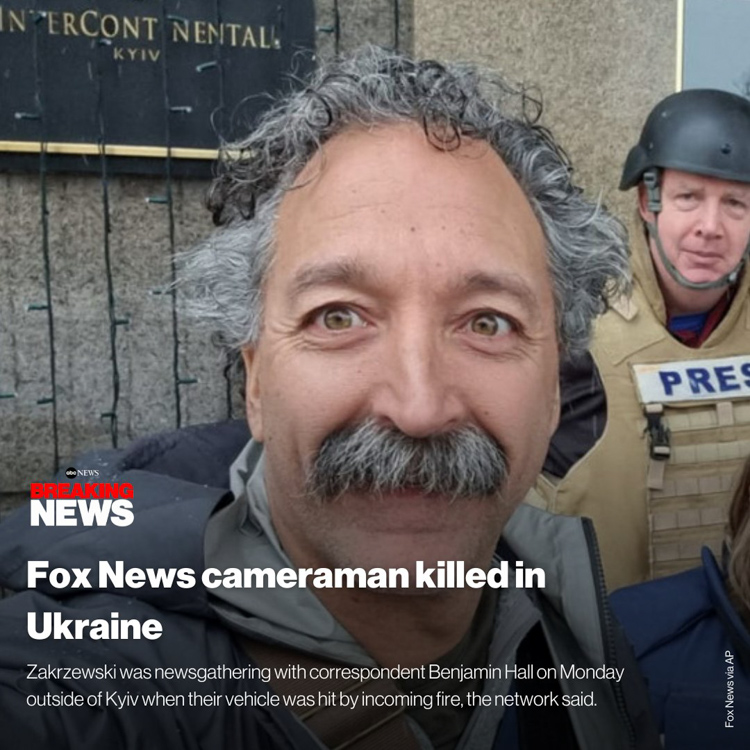
Pierre Zakrzewski was a cameraman who worked in many war zones for Fox News.
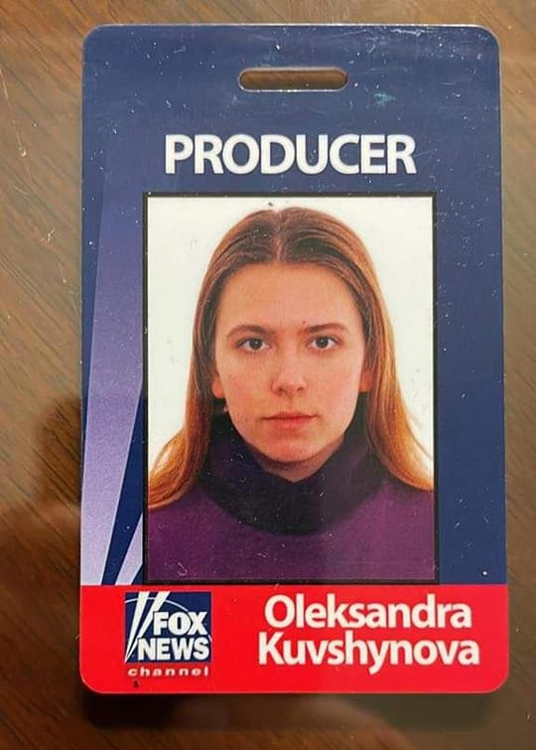
Oleksandra Kuvshynova was a Ukrainian journalist. She’d been contracted with Fox News for around two months in February and March 2022.
|
|
|
|
|
| |
|
| |
| |
| |
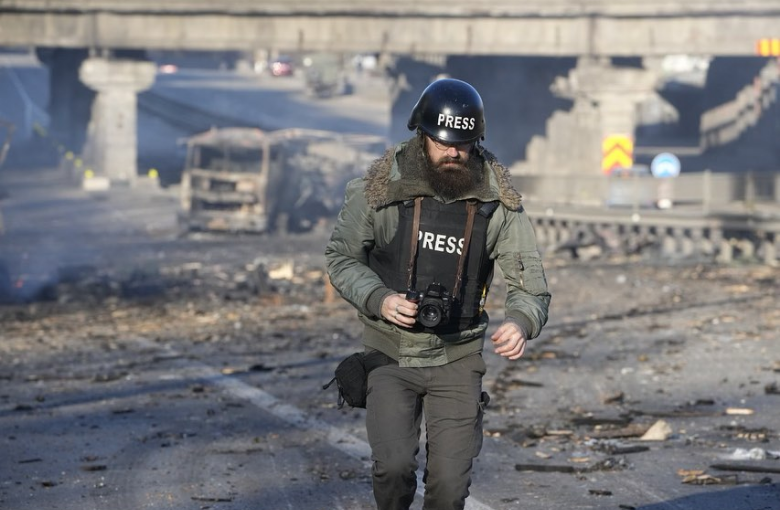
On March 14, a vehicle carrying the Fox News team was attacked near the village of Horenka, outside of Kyiv. Fox News produced a heartbreaking video report commemorating their deceased colleague: “Pierre Zakrzewski was only 55 years old, and we miss him already,” the anchor said. Somehow, he failed to mention Oleksandra Kuvshynova, a 24 year old Ukrainian producer who was killed in the attack along with Zakrzewski. After the news about Kuvshynova started spreading on Ukrainian media, Fox issued an update about her death, stating that she “was serving as a consultant in Ukraine”. A consultant. That is the craft of fixing stories, organizing interviews, translating, and navigating foreign journalists through the local context without getting credit. It’s the job that gets you into traveling along the frontline, talking to rape victims and limbless children of your country. The craft that eventually ends your life in a car with foreign media searching for another ‘exciting’ war story without security and appropriate risk assessment. Behind the scenes of every Emmy and Pulitzer-winning story, there is a brave local producer who risks their life covering the war.
|
|
| |
Mariia Ulianovska, Ukrainian journalist and documentary filmmaker, currently working as a local producer for NBC News in Ukraine.
|
|
|
|
|
|
| |
|
|
|
| |
| |
Acting
SOLIDARITY
Practical Solidarity
recommendations
|
| |
|
|
|
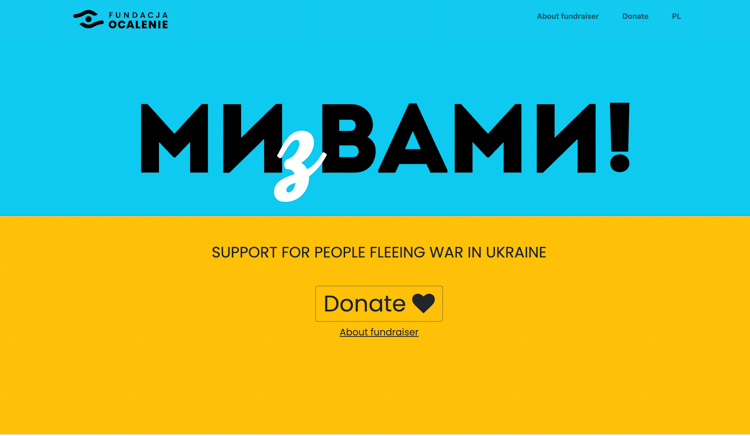
Support for people fleeing the war in Ukraine
Ocalenie Foundation, or Rescue Foundation, helps refugees and immigrants build a new life in Poland. Due to the war in Ukraine, they are launching a fundraiser to help them respond to the needs of people fleeing the war.
Donations can be made through this website: UKRAINA | Fundacja Ocalenie
Recommended by Pismo
|
| |
|
|
|
Support for journalists in Ukraine
This campaign, by n-ost and partners, started even before Russia invaded Ukraine. We have already been able to support a media center in Lviv, could deliver important equipment like bulletproof vests, and we could send financial help directly to journalists who e.g. had to leave their homes.
Please donate here, to show solidarity with Ukrainian journalists. https://www.betterplace.org/en/projects/106590-support-for-journalists-in-ukraine
|
| |
|
|
|
|
|
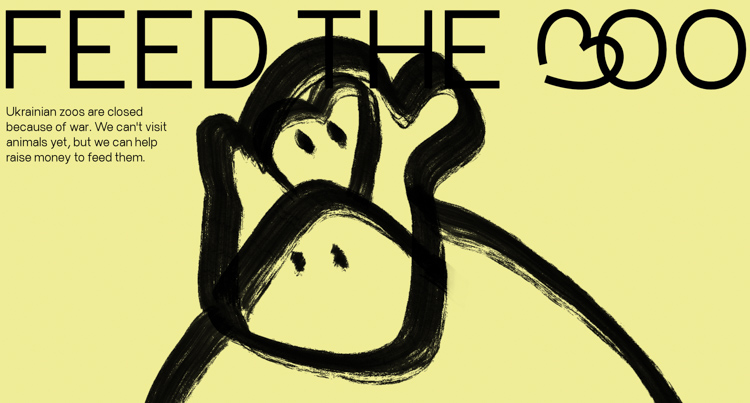
Support for Ukrainian zoos
Ukrainian zoos are closed because of the war. We can't visit animals yet, but we can help raise money to feed them.
Feed the Zoos is a website where you can buy tickets or donate any amount to zoos, animal rights organisations, and animal shelters in Ukraine that need our help: https://3oo.store/
|
| |
|
|
|
|
|
|
| |
|
|
|
| |
Reading
SOLIDARITY
A Short European Essay
|
| |
|
| |
In the Name of Solidarity
|
|
|
|
| |
Solidarity has possibly never been a more contested term than it is now. Reclaimed left and right, the word solidarity, like freedom, has come to mean a variety of contradictory things. In the wake of the global Covid pandemic and the new geo-political reshuffling triggered by the war in Ukraine, solidarity is invoked as a “we’re all in the same boat” type of approach. But actually we are far from it.
Solidarity, after all, should be about togetherness. But when this is confused with sameness, an erasure of difference takes place. Just as the pandemic cannot be a great equaliser, a war cannot determine togetherness. After all, who is in a position privileged enough to call for universal solidarity? The general idea of solidarity obscures both the speaker’s own position and that of those they are expressing solidarity with. Such positions are the result of asymmetries and rigid hierarchies across the world produced by socio-political historical processes that cannot be wished away. On the contrary, solidarity must — as feminist Chandra Mohanty puts it — be built on the mutual recognition of the multiple and intersecting lines between class, nationality, racialization, gender, sexuality and much more.
|
|
| |
“Solidarity, after all, should be about togetherness. But when this is confused with sameness, an erasure of difference takes place.”
|
|
| |
While obscuring such legacies, solidarity as sameness is a new Western universalism: In its name, the EU is increasing its military spending by 123%, while the US is also bolstering its military “aid” to Europe. While Fortress Europe is being consolidated, war is justified by a plea for togetherness. But this “we” seems more about becoming a member of the exclusive club of Western(ized) societies than about social justice.
Solidarity across differences may not be comfortable. It is indeed a difficult process that involves conflict, as author and activist bell hooks points out. Nevertheless, solidarity towards liberation is not an avenue for the political organisation of the initiated but a widely spread practice in society. Building on this, solidarity as a core practice of emancipatory politics goes beyond false togetherness and towards constructive conflict and accountability. Mutual aid breaks down the logic of expert-based humanitarianism and accompliceship empowers the limited allyship paradigm.
So, next time solidarity is mentioned to justify this or that humanitarian or military intervention, let us ask ourselves to what degree this term is actually positing mutual recognition, self-determination, and an honest reflection of one’s own position.
Veda Popovici is an organizer and theorist based in Bucharest and dedicated to anti-capitalist housing justice and anti-authoritarian community building.
|
|
|
|
|
| |
|
| |
| |
|
|
|
|
| |
 |
| |
|
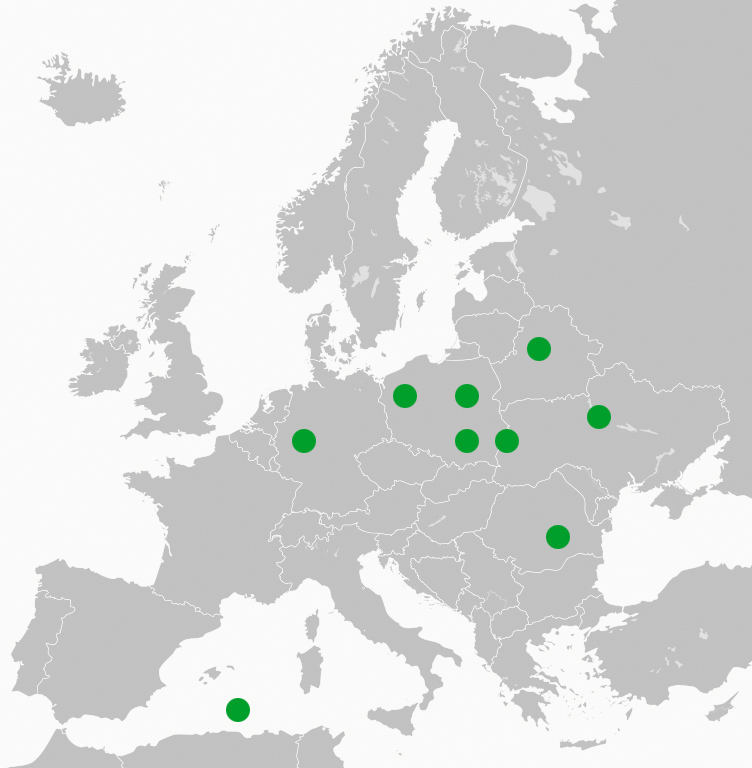
THE LOCATIONS OF THIS ISSUE
|
| |
|
|
|
|
|
| |
|
| |
| |
| |
Photographers: César Dezfuli, Florian Bachmeier, Marta Rybicka, Alexander Chekmenev, Maxim Sarychau, Mila Teshaieva, Docks Collective, Alexander Vasukovich, Wojtek Radwanski, Michal Adamski, Dawid Zielinski
Authors: Mariia Ulianovska, Veda Popovici
Editorial team: Laura Naum and Petrică Mogoș (Kajet Journal), Karolina Mazurkiewicz, Magdalena Kicińska (Pismo Magazin), Stefan Günther and Pia Telebuh (n-ost).
Design: Philipp Blombach
Copy Editing: Ben Knight
|
| |
|
|
|
|
|
| |
|
|
|
| |
| |
| |
If you like the publication, please follow us on the european images Instagram account!
This is the second edition of european images, a project by n-ost, in partnership with Kajet Journal (RO), AthensLive (GR) and Pismo (PL) supported by Allianz Kulturstiftung and the Foundation for Polish-German Cooperation.
Coordinated by n-ost, documentary photographers will meet once a month throughout the entire period of the project.
If you are a European photographer and want to join the meeting or provide images for the publication please write a short introduction of your work to europeanimages@n-ost.org.
|
| |
|
|
|
|
|
| |
|
|
|
| |
| |
| |
 |
| |
|
|
|
|
|
|
|
| |
|
|
|
| |
| |
 |
| |
|
|
|
|
|
| |
|
|
|
| |
| |
|
|
| |
 |
| |
|
|
|
|
|
| |
|
|
|
| |
| |
| |
initiated and coordinated
by n-ost
|
| |
|
|
|
You've received this email because you are a member or a friend of n-ost, AthensLive, Kajet or Ramin or subscribed to european images
|
|
|
|
|
|
|
|
|
|
| |
|
|
|