|
|
|
|
 |
|
| |
|
|
|
|
|
|
|
|
|
|
 |
| |
|
| |
Dear viewer, Whatever the differences between us, we humans inherently long for similar things. One of these is the support and stability, the serenity and comfort, that only the promise of home can bring. The paradox of any home is that it is deeply personal and unnervingly universal at the same time; it generates a sense of familiarity that cannot be reproduced. It comforts us and protects our mysteries, it is a safe space that shelters our dreams.
It is no surprise then that, during the Enlightenment, doctors prescribed the act of returning home as a cure for the most acute symptoms of uneasiness and alienation — both physical and mental.
Lately, the idea of home has undergone many noticeable transformations. In an epidemiological crisis, home becomes part family life, part work. In times of war, it mutates entirely, and from longing for comfort, we are forced to accept home strictly as a safe haven.
Home is obviously more than a spatial perimeter bounded by four walls. Home is a state of mind, an island of fond memories in a sea of crises, a celebration of contentment. It is also, perhaps, a haze of dreams or a tender cloud of memories, a nostalgic longing for peace and permanence and for the unconditional reassurance of hearing the familiar words: ‘home sweet home’ or ‘welcome home.’
|
| |
|
Petrica, Laura (Kajet, RO), Karolina, Magdalena (Pismo, PL), Pia and Stefan (n-ost, DE) – this issue’s editorial team
|
| |
|
|
|
|
| |
|
|
|
| |
| |
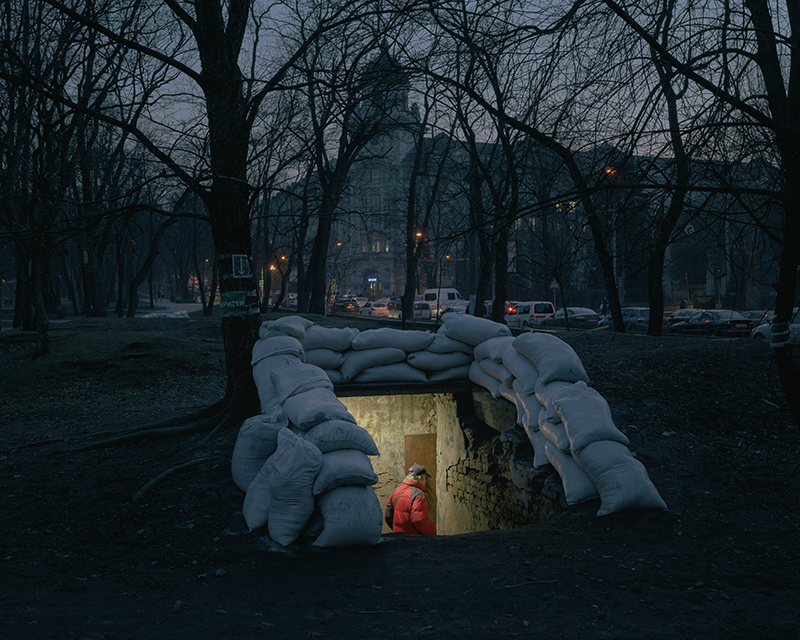
Top title image: A man enters an air raid shelter in Ivan Franko Park in Lviv. Since the Russian bombing of a military training centre near Lviv, there have been air raid alerts in the city several times a day. Ingmar Björn Nolting (Leipzig) and Fabian Ritter (Dortmund) from Docks collective, for their series “Antechamber of war”. (March 2022)
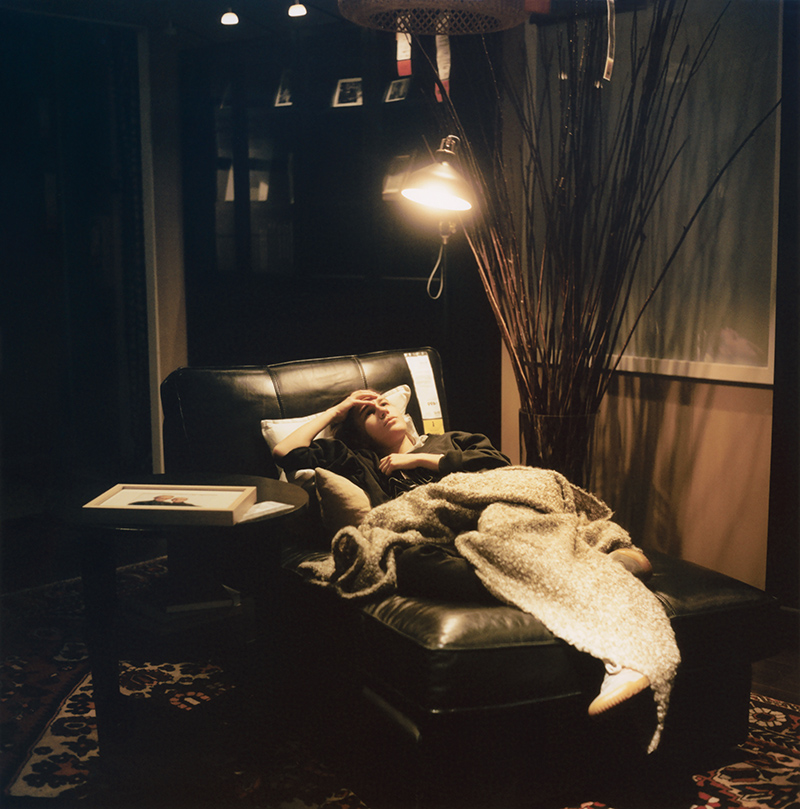
Bottom title image: A Self-portrait of the photographer in a London Ikea shop. She visited several Ikea shops across London with a backpack, different clothes and her camera. She grew up in Yekaterinburg and remembered that she often went to Ikea there as a child, dreaming of decorating her own room, which she didn't have at the time. Sasha Davai (London) for her series “Ikea”. (April 2017)
|
|
|
|
| |
|
|
| |
| |
|
 |
|
| |
|
|
|
|
| |
|
|
|
|
|
|
|
|
|
| |
|
|
|
|
|
| |
Seeing
HOME
Single Images by Photographers
From all over Europe
|
|
| |
 |
|
|
|
| |
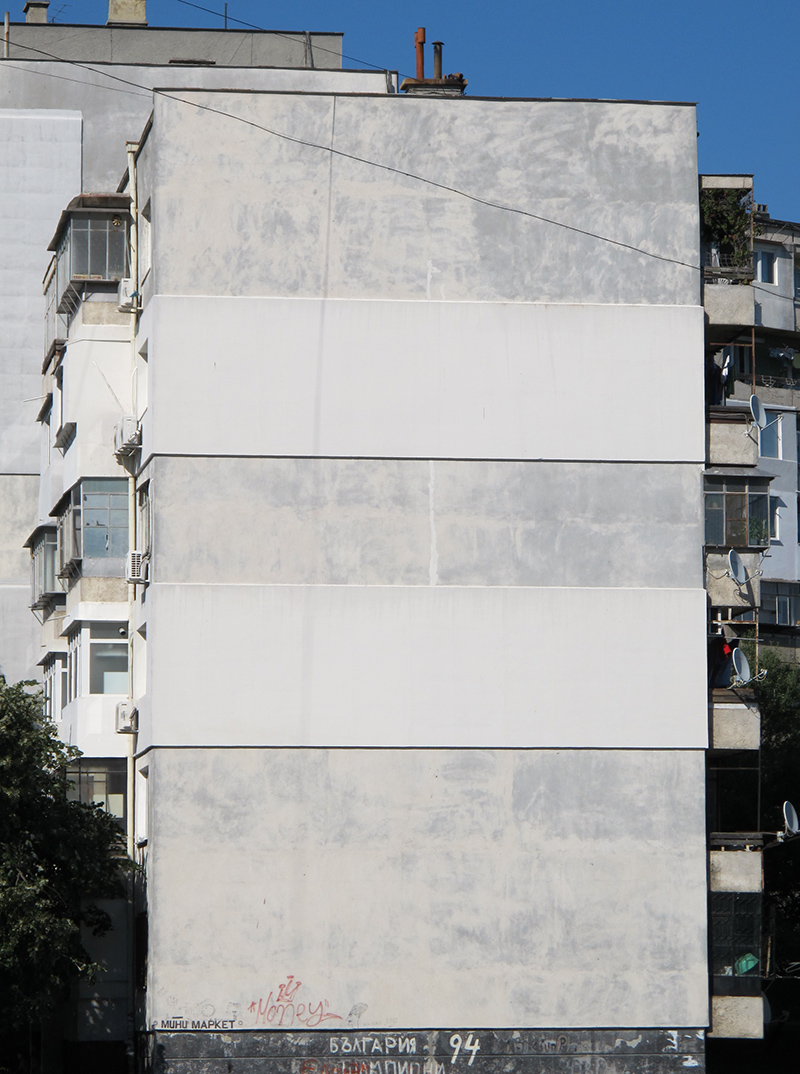
After the dissolution of communism in 1989, apartment blocks that housed the majority of the Bulgarian population slowly turned to ruins. Residents were left to renovate their flats on their own, which led to a heterogenous and uneven facade with unique patterns of insulation layers.This image from Varna is part of Hristina Tasheva’s (Bodegraven) series “Statistic Figures”. (2012)
|
|
|
|
|
|
| |
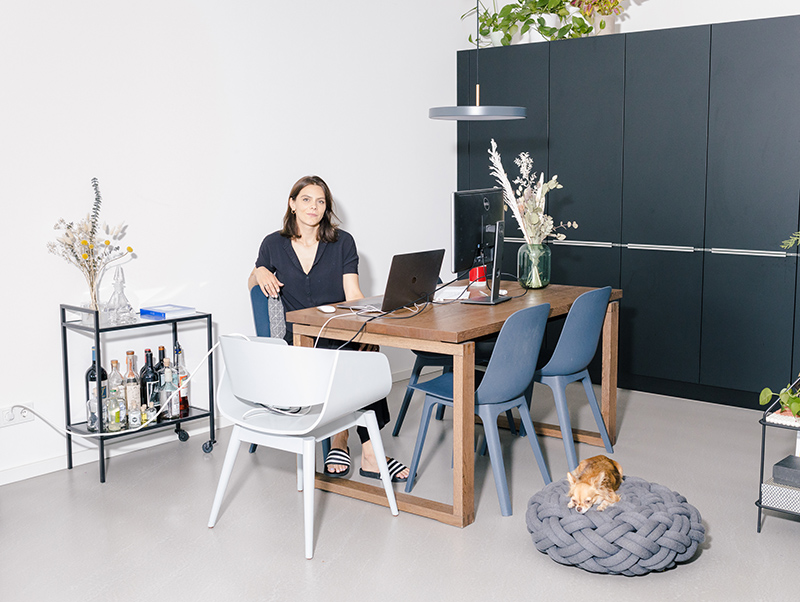
This is a creative director for an online furniture store working from home. Despite many advantages it's not a permanent solution for her: “Work and home life become blurred and it takes a lot of discipline to stick to your routine.” Ole Witt (Berlin) for his series “Corona Home Offices”. (2021)
|
|
|
|
|
|
|
| |
|
|
|
|
|
| |
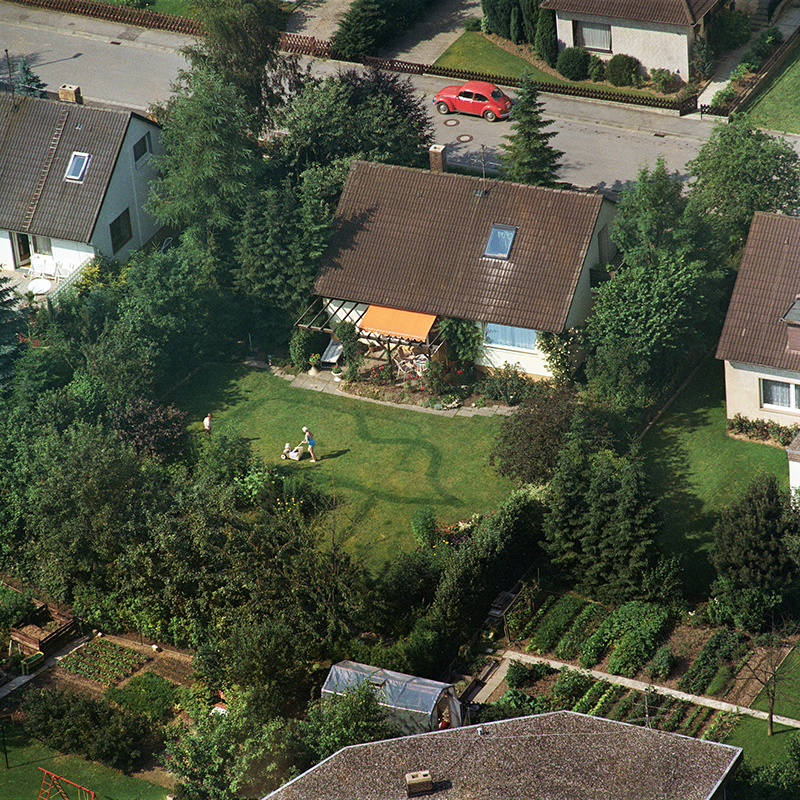
This image is part of an archive of approximately 20,000 aerial photographs of detached houses all over Germany, taken between 1979 and 1983. The company’s intention was to sell the photographs to the respective house owners. This image is currently part of the exhibition “Home again” in Berlin, Willy-Brandt-Haus, curated by Andy Heller and Oliver Krebs in Berlin. Peter Piller bought and edited the archive for his series “Von Erde schöner” © VG Bild-Kunst, Bonn 2022, Courtesy Capitain Petzel. (2004 – ongoing)
|
|
|
|
|
|
|
| |
|
|
|
|
|
| |
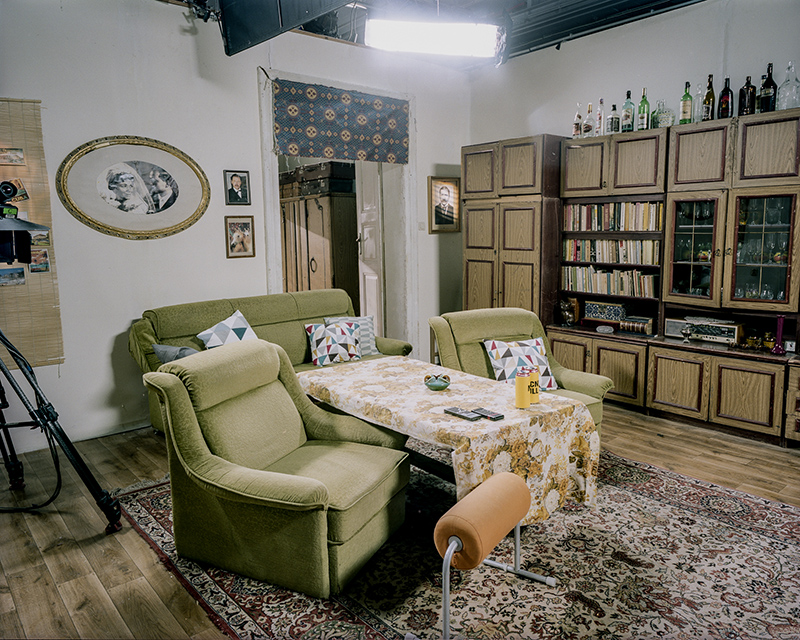
The set in Wrocław of the TV series “Świat według Kiepskich” (“The world according to Kiepski” ), which has been running since 1999. The sitcom is based on life in a standard low income housing estate in former German tenement houses, with all the stereotypes that go with it: Coal stove heating, toilets in the hallways, and excessive alcohol consumption. Paweł Starzec for his work “Anew”. (Ongoing)
|
|
|
|
|
| |
|
|
|
|
|
| |
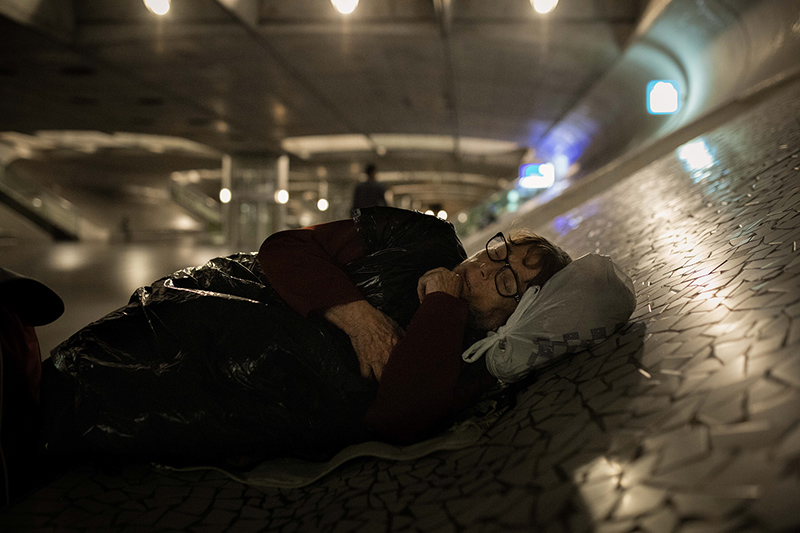
Maria Pereira, 78, sleeping in Gare do Oriente, Lisbon. She was kicked out onto the streets by her landlord, who changed the lock on her door. For two weeks she slept in Lisbon’s streets, waiting for the courts to resolve her case. Gonçalo Fonseca for his series “New Lisbon”. (September 2019)
|
|
|
|
|
| |
|
|
|
|
|
| |
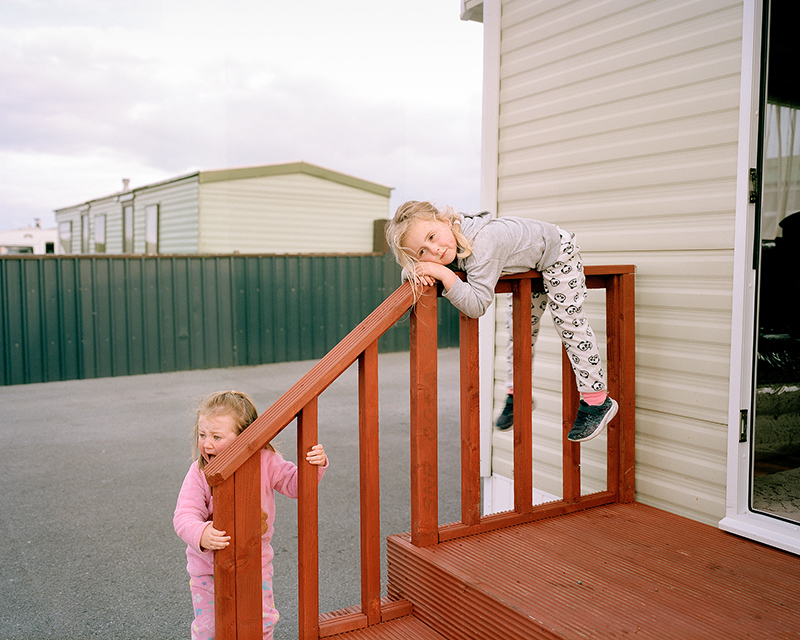
Two girls from the traveller community before bedtime. As Ireland’s largest minority group, travellers are often pushed to the periphery of urban spaces. On the outskirts of Galway, situated right next to the city dump, is the Carrowbrowne halting site, home to eight traveller families and their children. Tamara Eckhart for her series “The Children of Carrowbrowne”. (2019 – ongoing)
|
|
|
|
|
| |
|
|
|
|
|
| |
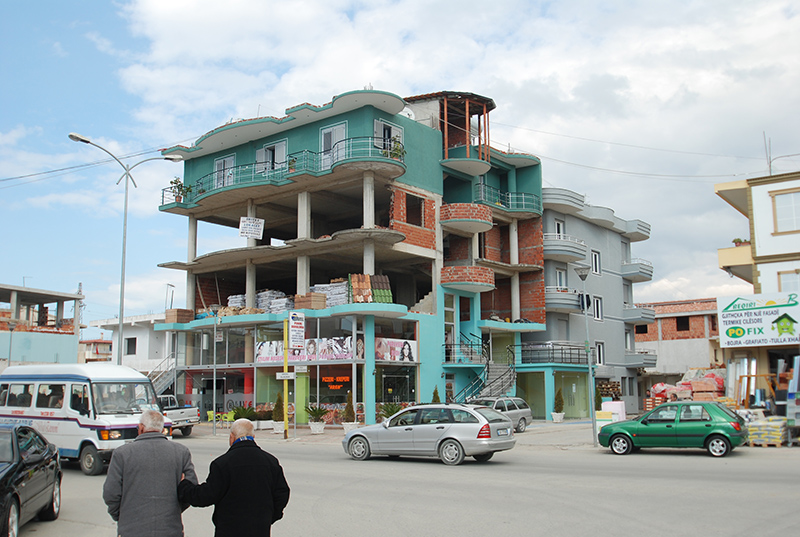
Unfinished house in Kruja near Tirana. This is a widespread phenomenon in Albania and across the Balkans. After spending time abroad, workers return home to Tirana and start building their dream houses. They inhabit their first floor, and for various reasons (from avoiding taxation to lacking the money to fund the remaining construction), these houses are often left in a state of limbo. Blerta Kambo (London) for her series “Unfinished Houses”. (2017)
|
|
|
|
|
| |
|
|
|
| |
Exploring
HOME
A Closer Look at a
Photographer’s Series
|
| |
|
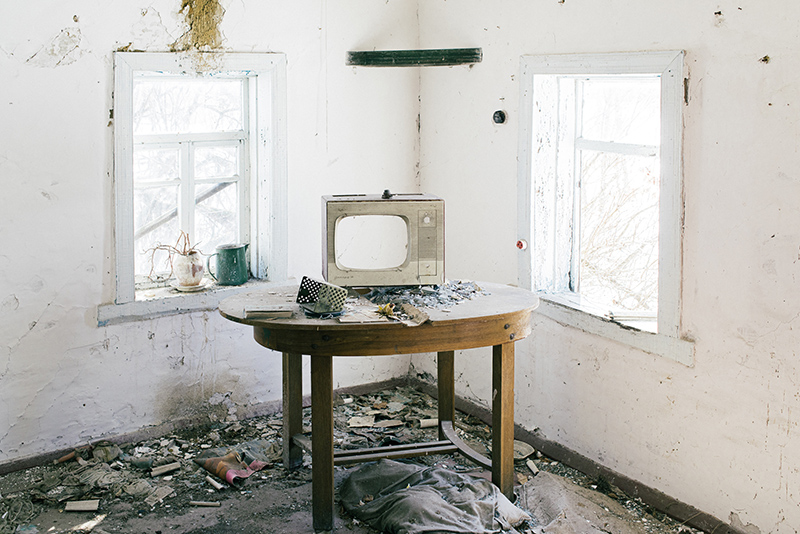
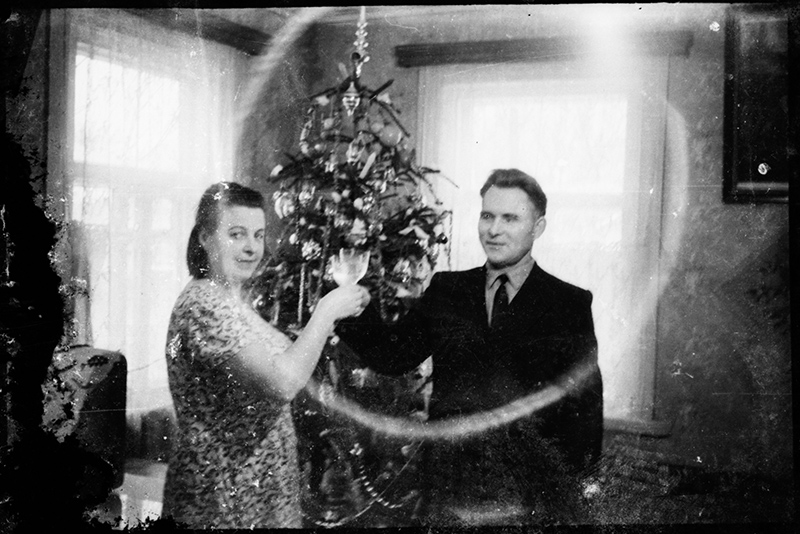
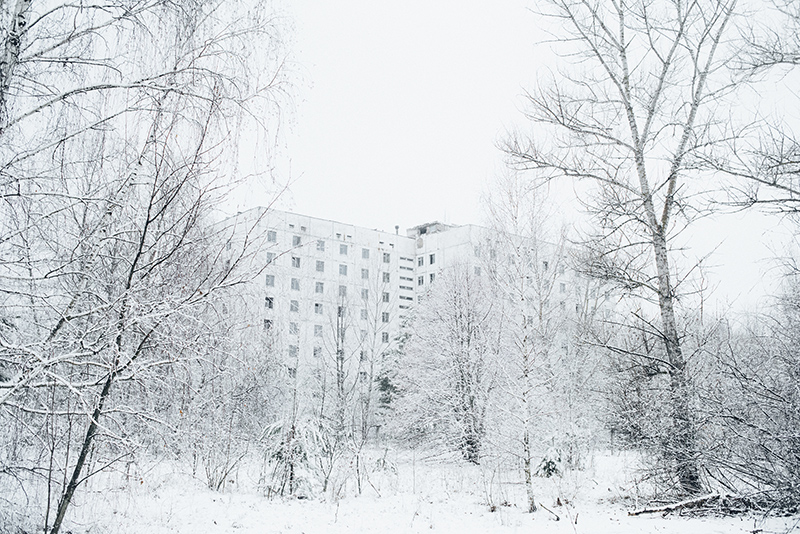
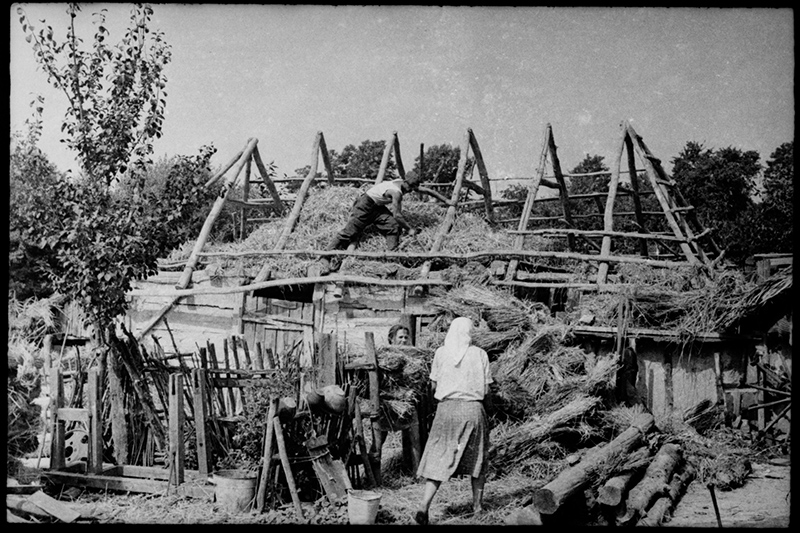
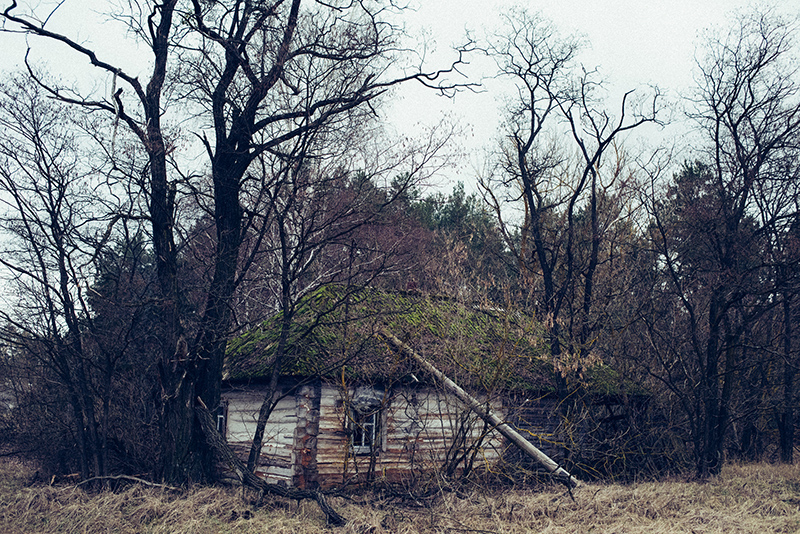
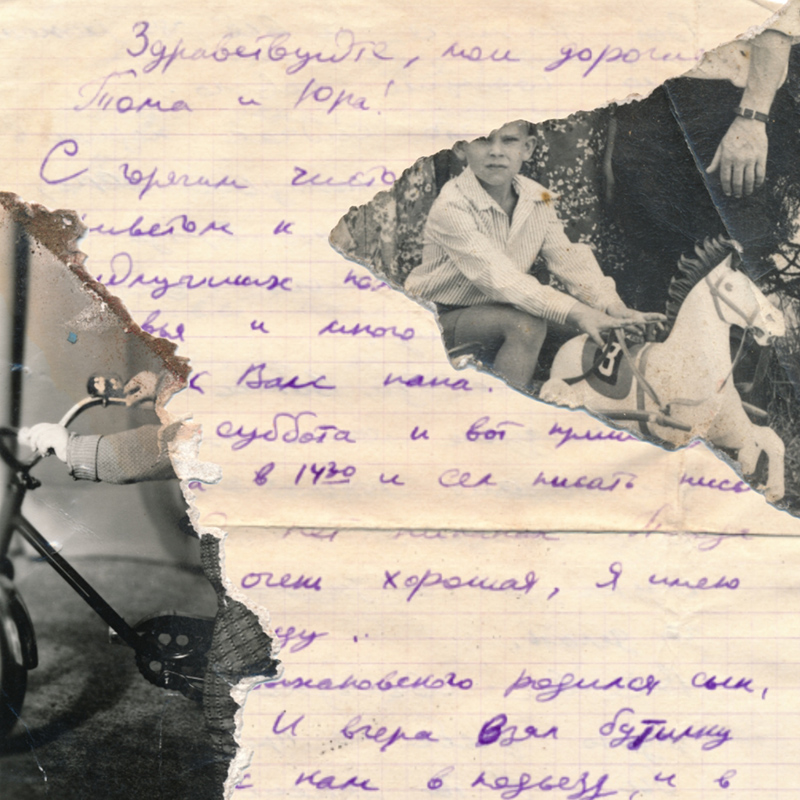
“We ask you to remain calm and to maintain organisation and order during the temporary evacuation!” This announcement was broadcast on the radio in Pripyat on April 27, 1986. On that day, the story of flourishing cities and villages in the Chernobyl area ended. Most people never came back to their homes. Family photos, memorable letters were covered with a thick layer of trash and mud.
Chernobyl, this word has stuck in my head since childhood. My younger brother was born one year after the catastrophe at the nuclear power plant, which had an impact on his health. He spent the first seven years of his life in hospitals, suffering from a terrible disease. That was the very first time I heard about the accident. Years later, I visited the land burned by the so-called peaceful atom.
We undertook several expeditions to the Chernobyl Exclusion Zone between 2016 and 2021: Hundreds of kilometres on foot, more than 20 resettled villages fully explored. More than 15,000 artefacts were found (photographs, films, letters). Around 5,000 artefacts were digitised and catalogued.
Maxim Dondyk
for his series “Untitled Project” (2016 – ongoing)
|
| |
|
 |
| |
|
|
|
|
|
|
|
|
|
 |
| |
|
|
|
 |
| |
|
|
|
|
|
|
|
|
|
 |
| |
|
|
|
|
|
|
|
|
|
 |
| |
|
|
|
|
|
|
|
|
|
 |
| |
|
|
|
|
|
|
|
|
|
Reflecting
HOME
An Observation on
the Impact of Images
|
| |
|
|
|
| |
 |
| |
|
| |
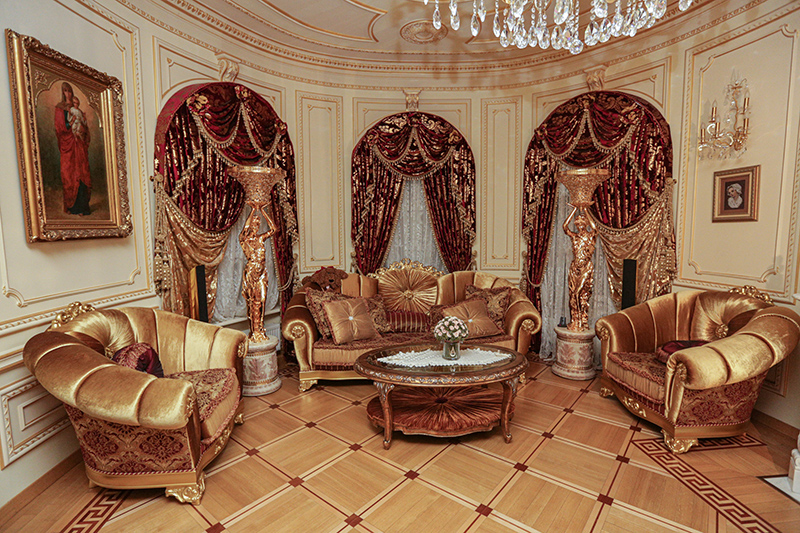
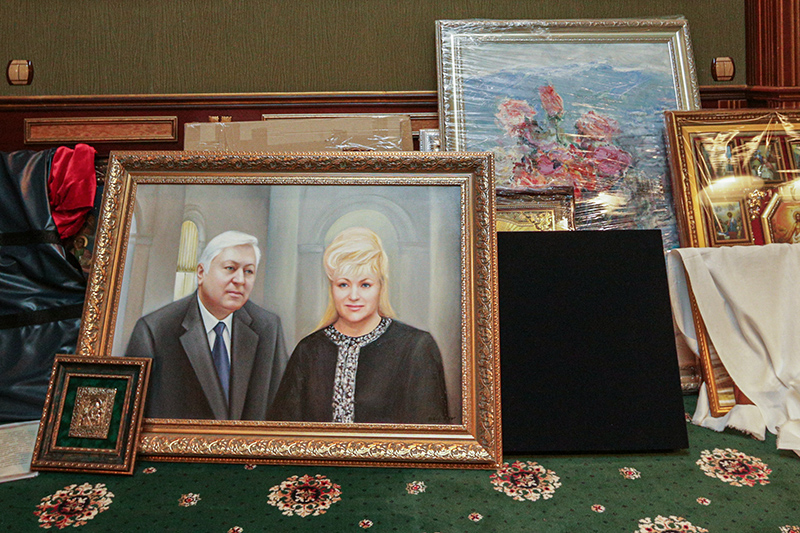
These are images of the home of Ukraine’s former General Prosecutor Viktor Pshonka, who fled to Russia on February 22, 2014. This series of pictures, taken by Ukrainian photographer Konstantin Chernichkin on February 25, 2014, when activists and journalists entered the villa for the first time, was widely published in Ukraine. Similar to the images of President Viktor Yanukovych’s Meshyhirya villa, built with corruption money, they showed Ukrainians how the elite had enriched themselves at their expense for years. There’s a sad footnote to this story: the pictures were used throughout the Ukrainian media without the photographer’s consent and without payment after the story first appeared in the British Daily Mail.
|
|
|
|
|
|
|
| |
|
| |
| |
Comparing
HOME
A case study from Bucharest
|
| |
|
| |
 |
| |
|
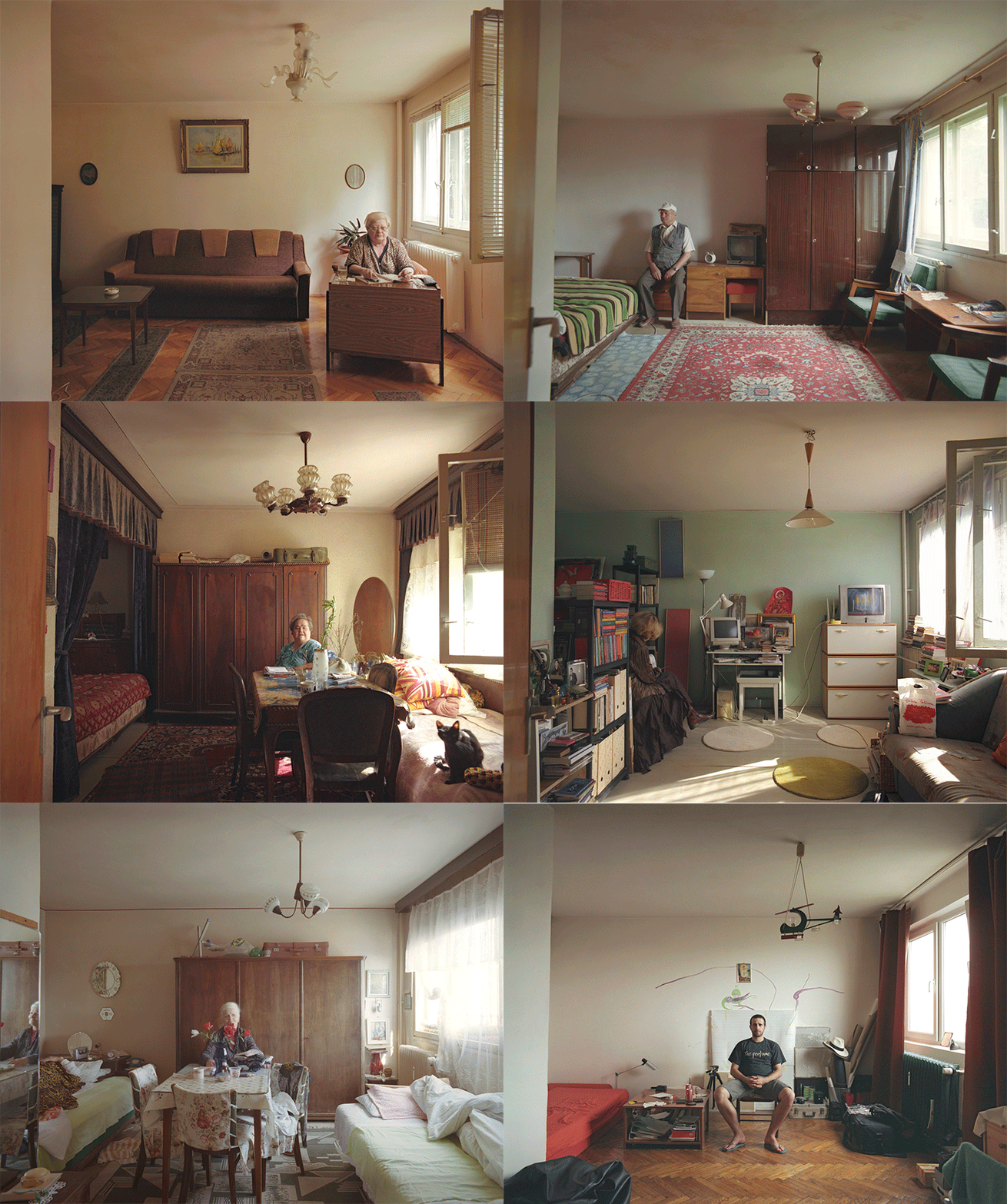
At first sight, Bogdan Gîrbovan’s project 10/1 promises an almost mathematical uniformity: the series consists of precisely 10 images of 10 living rooms from 10 different apartments from the same block in Bucharest, taken from the exact same angle. Despite this imaginary vertical axis of sameness, the diversity is striking. If the original layout of the apartments is identical, the way someone actively inhabits that very same space is unique. Gîrbovan, who himself lives on the 10th floor, is getting to know his neighbours — and so are we.
|
| |
|
|
|
|
| |
|
|
|
| |
Reading
HOME
A Short European Essay
|
| |
|
| |
I thought we would go home again
|
|
|
|
| |
When the current war began, we found ourselves in Kraków. We had left the Saturday before, February 19, to visit friends, and it turned out at the border that my eighteen-year-old son was obliged to go into a week-long quarantine in Kraków, despite a Covid vaccination and a negative test. His vaccine was not on the list of those recognised by Poland. So I stayed with the children in Kraków, and my husband returned to Lviv, promising to come back for us on the following Sunday.
Not long after, I received a letter from a friend from Budapest that she and her husband were going abroad and I was invited to live in their house for a month with my family. She did not mention a single word about the war or the current political situation. Only that the flowers needed to be watered in the apartment and that Budapest was a very beautiful city.
Then I went with my friend to see a movie in a cinema with the symbolic name “Kyiv”. We watched the new Almodóvar and then sat for a long time and drank wine. I was unable to sleep that night. At four in the morning it became clear to me that our previous life was over forever.
We left Lviv for two nights, with two small suitcases of hand luggage for four. Among the things we packed were weird and unnecessary things, like inhalation nebulizers and board games. They weren’t even our favourites. To this day I don’t know why these things, and not others, became a substitute for home. What was missing, however, were the most necessary things, which we have been gathering slowly since then. But before I buy any clothes, shoes, or books now, I consider for a long time whether this thing will become a burden on our way back. Because we’ll be back soon.
|
|
| |
“Only the notion of “longer” is slowly blurring. How long is “longer”? A month, half a year, a year?.”
|
|
| |
When we got to Budapest, it seemed to me that a month would be an awfully long time, that everything would definitely be over by the time a month was out, and we would probably go home without even seeing our hosts. But literally a week later my friends started to get in touch — Poles, Hungarians, Germans, Austrians. Everyone came up with options for where we could stay for longer. This “longer stay” terrified me at first. And it really scares me to this day. Only the notion of “longer” is slowly blurring. How long is “longer”? A month, half a year, a year?
When we filled out applications for temporary protection together with the children, a nice woman at the German foreigners’ registration office said: It’s only for a year, then you’ll have to go back.
That “only” scared me, too. I don’t want to go back there.
But in fact we were lucky. And not because we never sat in a bomb shelter. There is no bomb shelter next to our Lviv house anyway. There isn't even a basement, and our apartment is at the top, the ninth floor. I chose it because of the view, but it turns out to be very impractical in a war. Now there are refugees from Kyiv living there. But as they left their apartments, did they take what they needed most, or what helped them feel at home? And during every air raid alert, do they know where to run, and does it even make sense to run anywhere?
The text was part of the opening speech of the 15th Polish-German Media Days, a project by the Foundation for Polish-German Cooperation, in Zgorzelec / Görlitz (June 9-10, 2022). The author is a poet, writer, journalist, and translator who speaks Polish, German and Russian. She graduated from the State University of Ivan Franko in Lviv and studied Romance and Slavic studies at the University of Freiburg, Germany. She was living in Lviv until the outbreak of the war. Currently, she lives in Germany, where her son is studying and her daughter is going to school. Her husband remains in Ukraine, on the front.
|
|
|
|
|
| |
|
| |
| |
|
|
|
|
| |
 |
| |
|
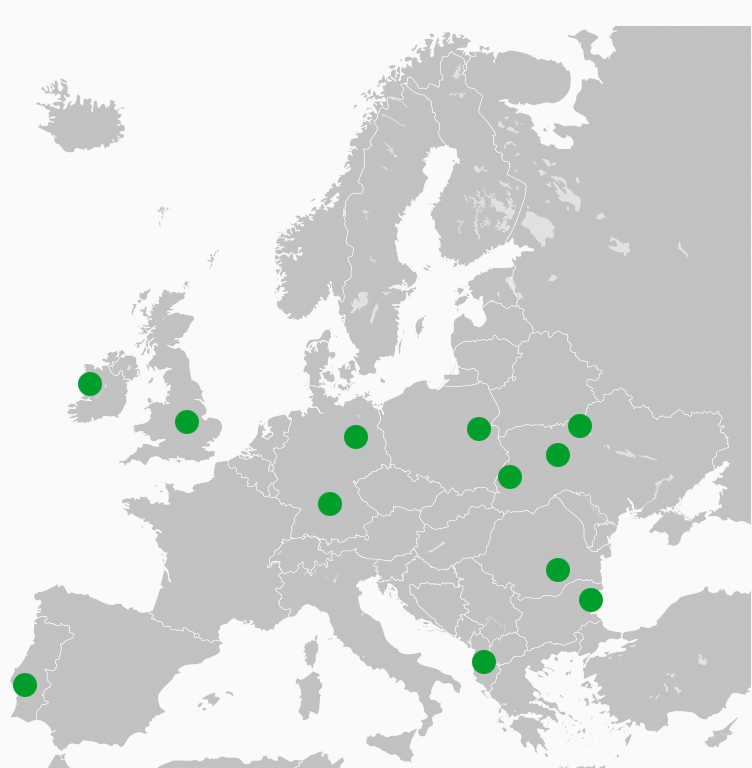
THE LOCATIONS OF THIS ISSUE
|
| |
|
|
|
|
|
| |
|
| |
| |
| |
Photographers: Ingmar Björn Nolting and Fabian Ritter, Sasha Davai, Hristina Tasheva, Ole Witt, Peter Piller, Paweł Starzec, Gonçalo Fonseca, Tamara Eckhart, Blerta Kambo, Maxim Dondyk, Konstantin Chernichkin, Bogdan Gîrbovan
Author: Natalka Śniadanko
Editorial team: Laura Naum and Petrică Mogoș (Kajet Journal), Karolina Mazurkiewicz, Magdalena Kicińska (Pismo Magazin), Stefan Günther and Pia Telebuh (n-ost) and Ramin Mazur.
Design: Philipp Blombach
Copy Editing: Ben Knight
|
| |
|
|
|
| |
|
|
| |
| |
|
|
|
| |
|
|
|
|
| |
|
|
|
|
|
|
|
|
|
| |
|
|
|
| |
| |
| |
This is the fourth edition of european images, a project by n-ost, in partnership with Kajet Journal (RO), AthensLive (GR) and Pismo (PL) supported by Allianz Kulturstiftung and the Foundation for Polish-German Cooperation.
Coordinated by n-ost, documentary photographers will meet weekly on Wednesday 6pm CEST throughout the entire period of the project.
If you are a European photographer and want to join the meeting or provide images for the publication please write a short introduction of your work to europeanimages@n-ost.org.
|
| |
|
|
|
|
|
| |
|
|
|
| |
| |
| |
 |
| |
|
|
|
|
|
|
|
| |
|
|
|
| |
| |
 |
| |
|
|
|
|
|
| |
|
|
|
| |
| |
|
|
| |
 |
| |
|
|
|
|
|
| |
|
|
|
| |
| |
| |
initiated and coordinated
by n-ost
|
| |
|
|
|
|
|
|
|
| |
|
|
|